Table Top Dobsonian Telescope | 80mm Beginner Telescope | Pie Matrix

Smooth Focusing and Stable Tripod

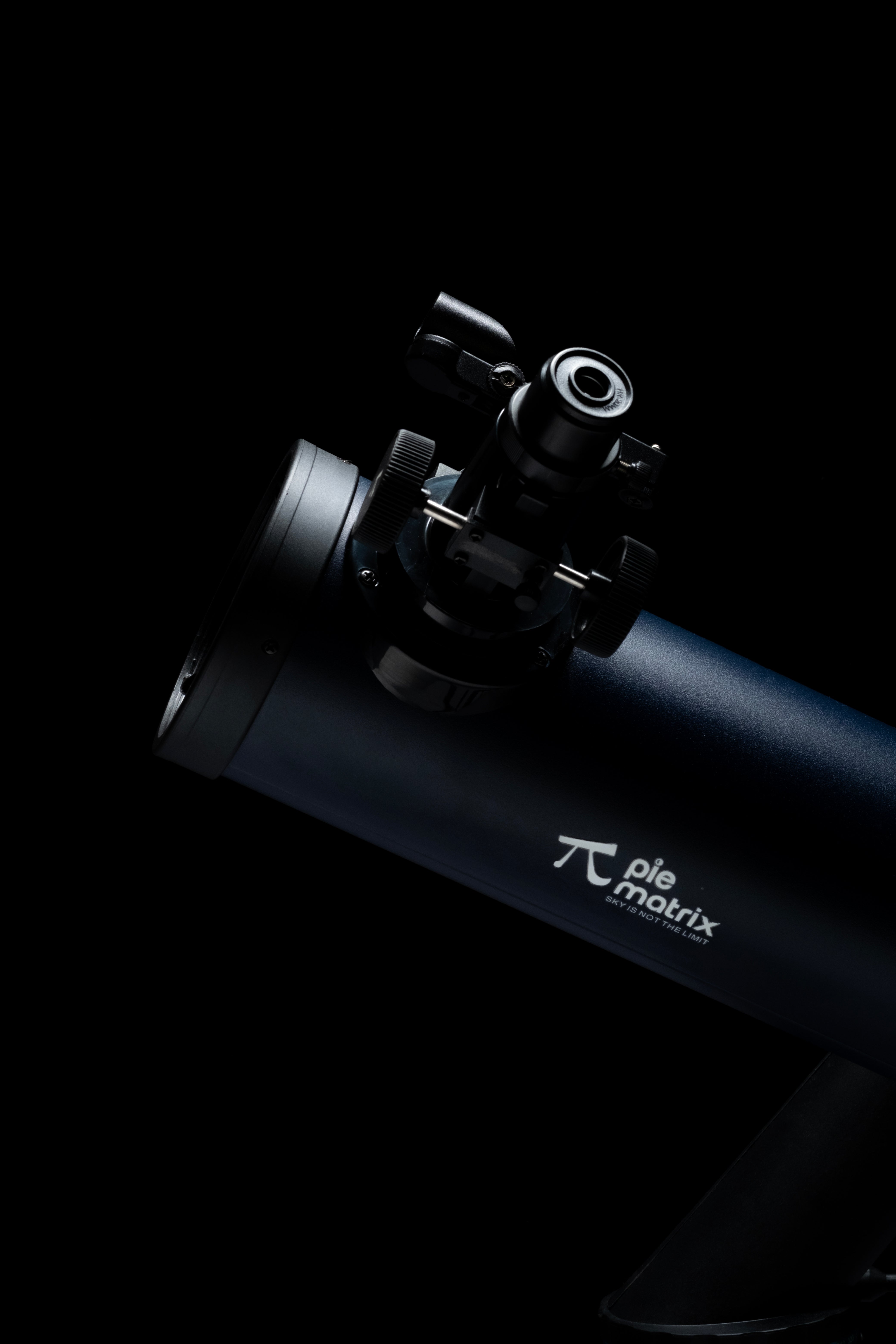
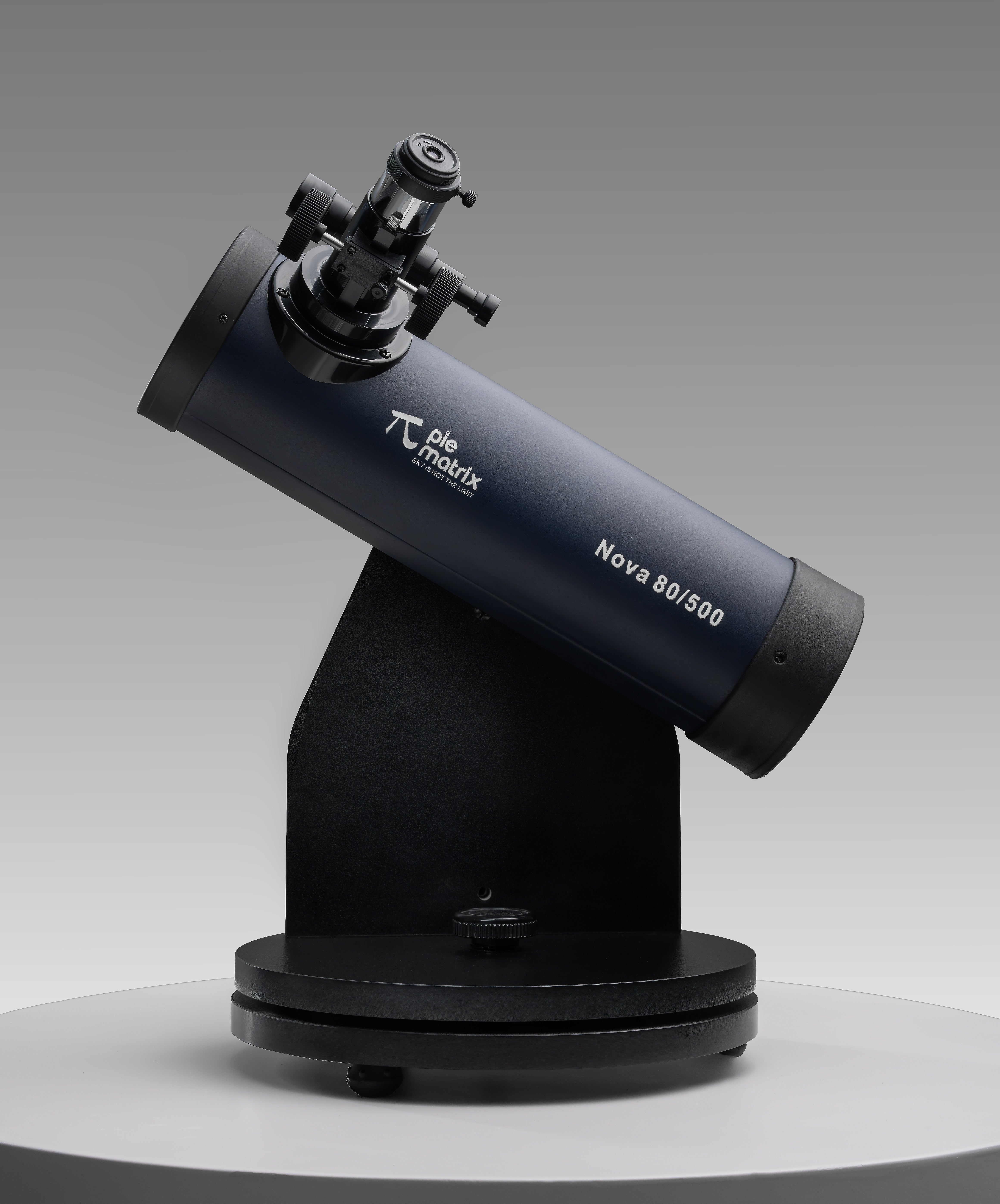
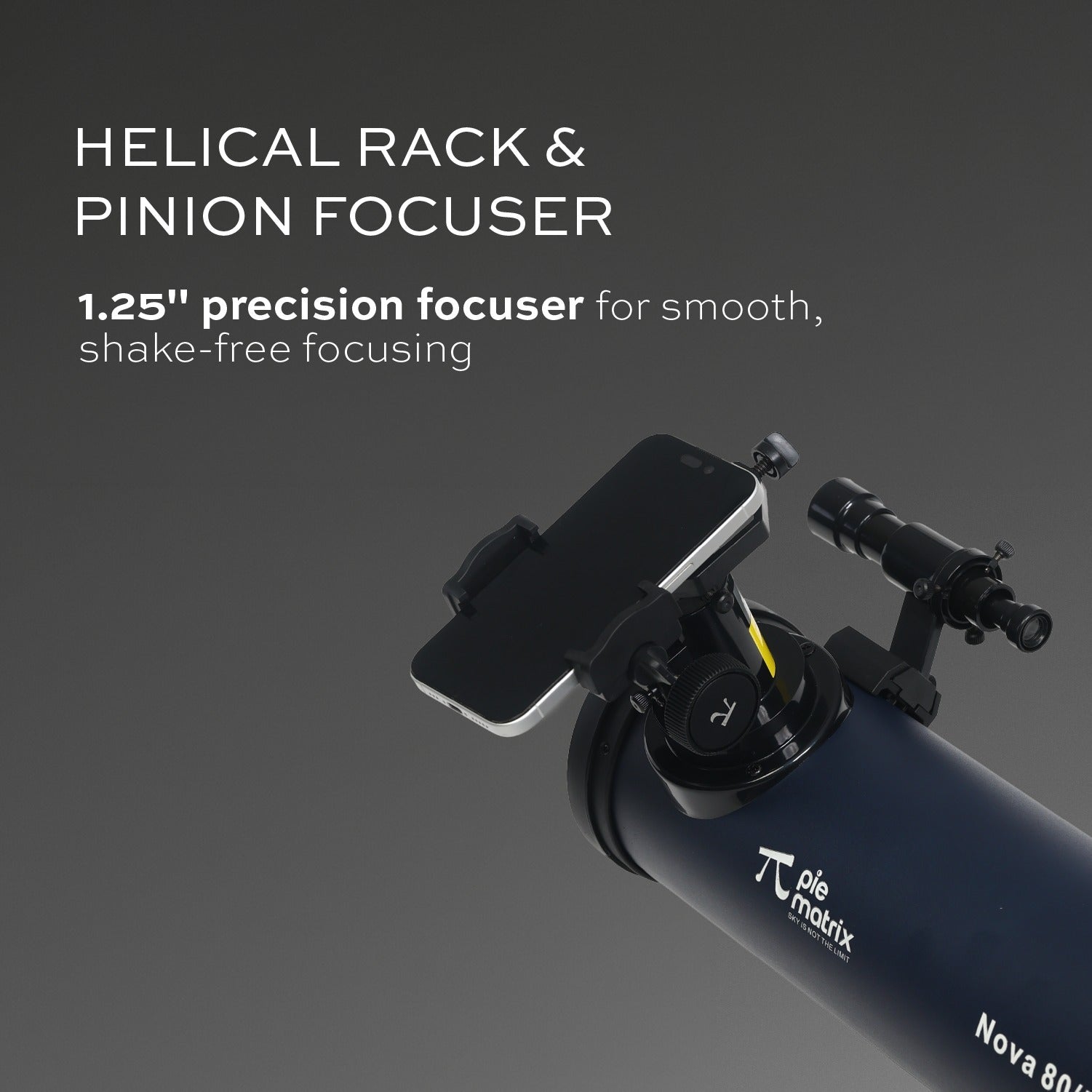
This telescope features a smooth focusing system, allowing for easy adjustments to achieve sharp, clear views of celestial objects, making it perfect for beginners. It provides a stable and reliable platform for observations, with adjustable height and angles to accommodate different viewing positions, ensuring a comfortable and steady stargazing experience.

Large Aperture

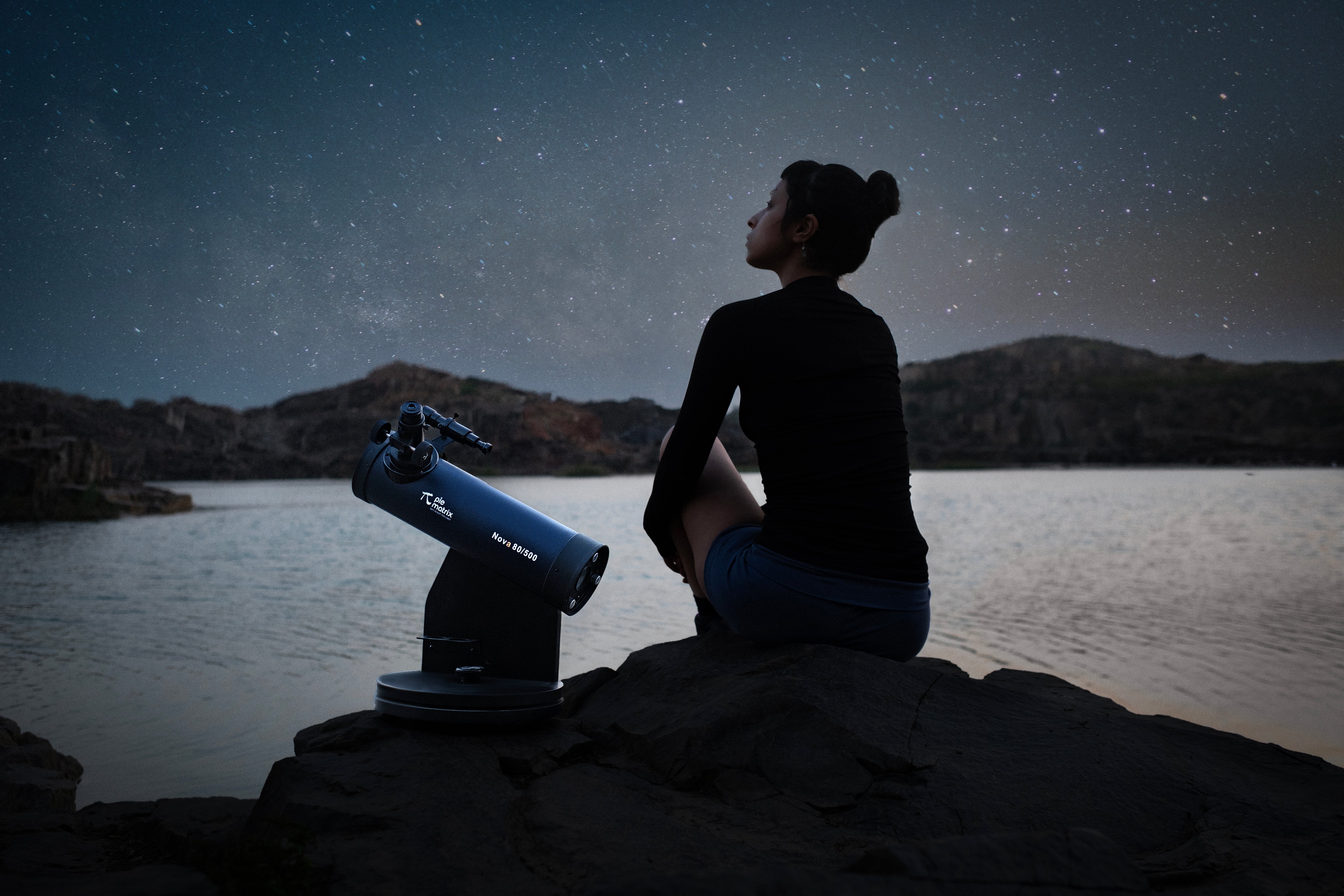
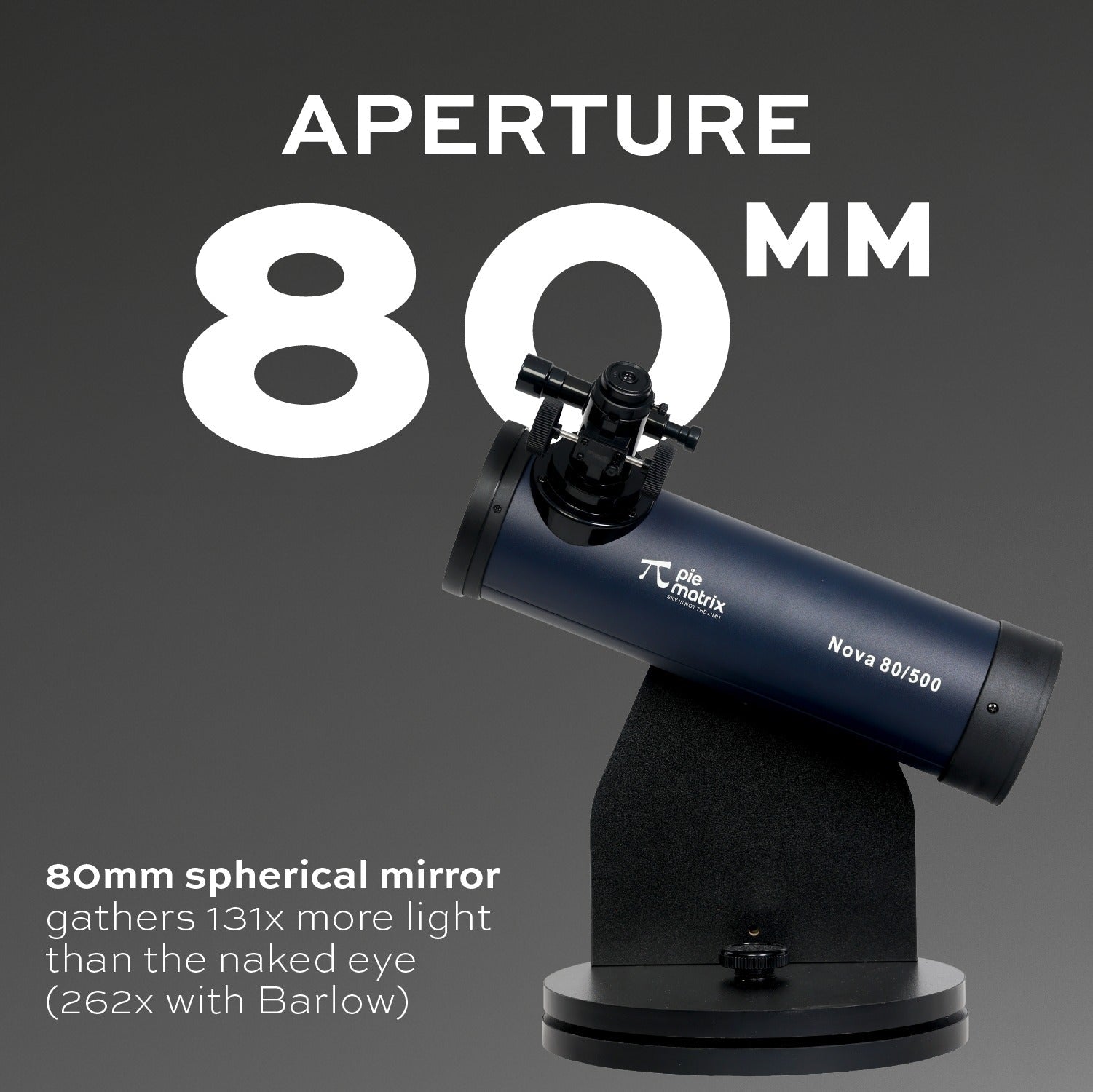
With an 80mm aperture and 500mm focal length, this telescope gathers more light than smaller models, offering clearer and more detailed views of celestial objects such as planets, galaxies, and nebulae.

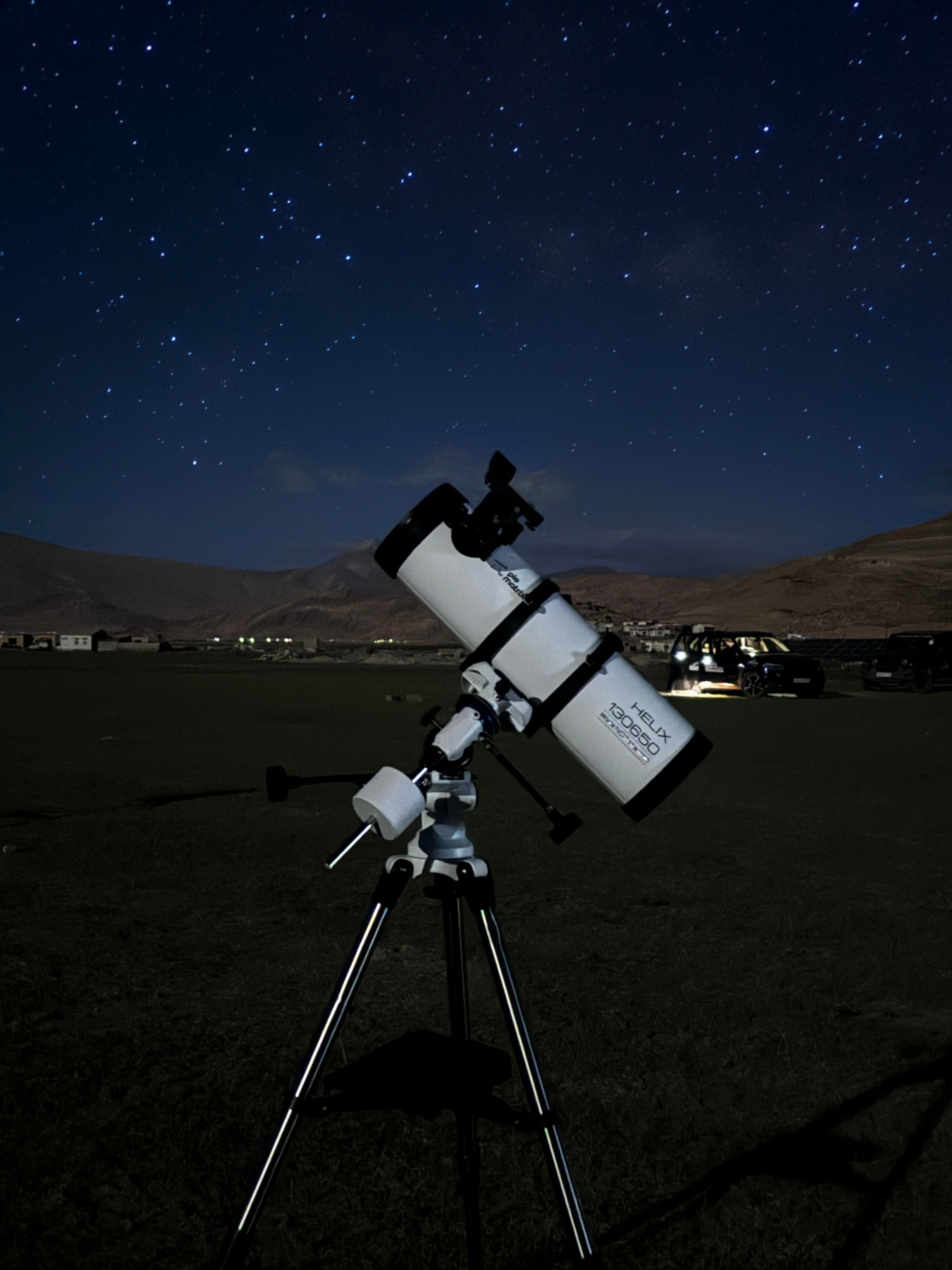
Sky is Not the Limit

Smooth Focusing, Quick Setup, and Versatile Usage

This telescope offers a smooth focusing system, making it easy to achieve sharp, clear views, perfect for beginners and experts alike. Its quick and user-friendly setup ensures you can start stargazing right away, aided by clear video instructions. Paired with a sturdy, adjustable steel tripod, it provides stability and comfort during observations. With versatile uses like lunar and planetary photography, deep sky observation, and more, the telescope's adjustable eyepieces and accessories make it suitable for a wide range of celestial exploration activities.

Tech Specifications

Specs
Aperature
80mm, Spherical mirror
Focal length
500mm
Tripod
MDF wood
Focal ratio
f/6.25
Mount
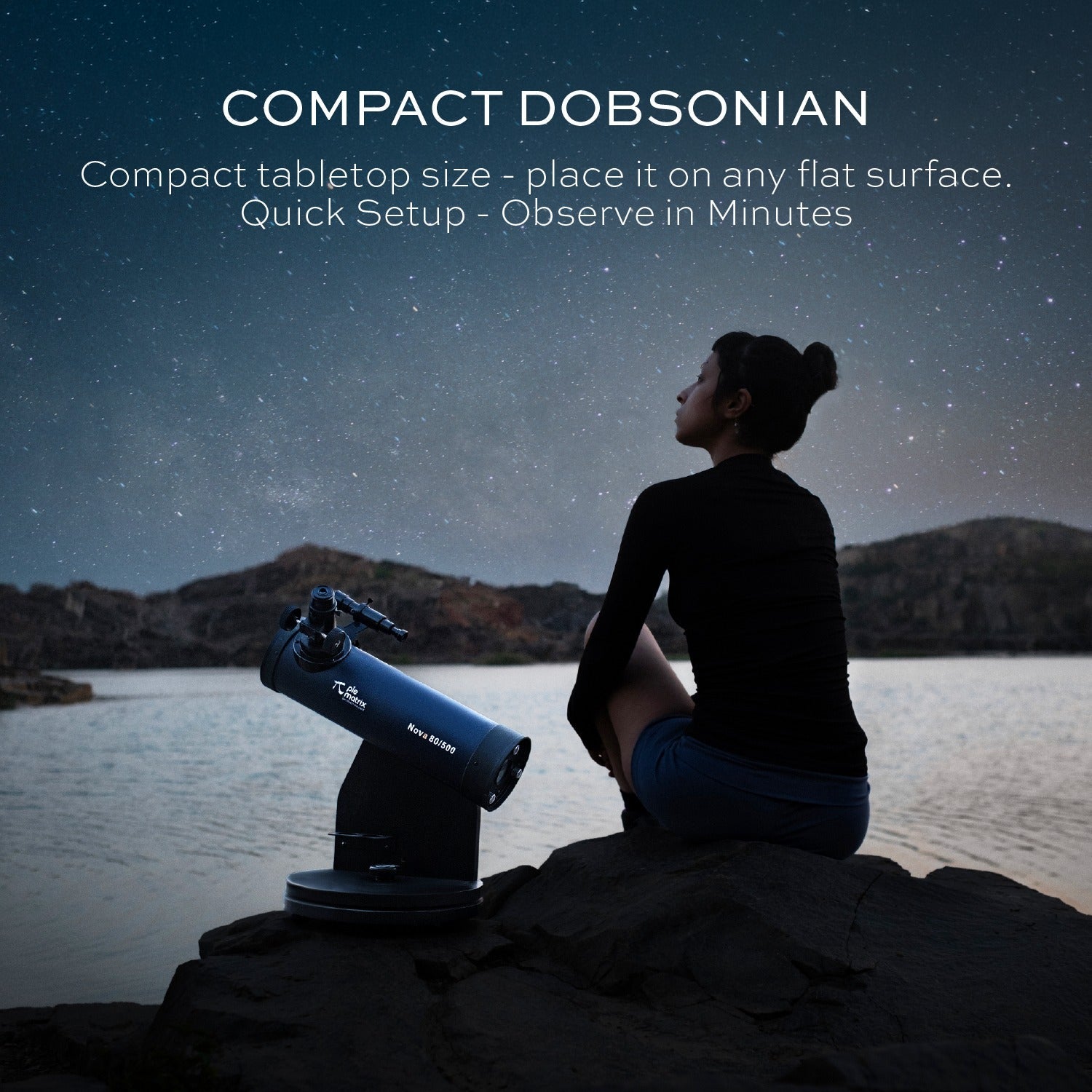
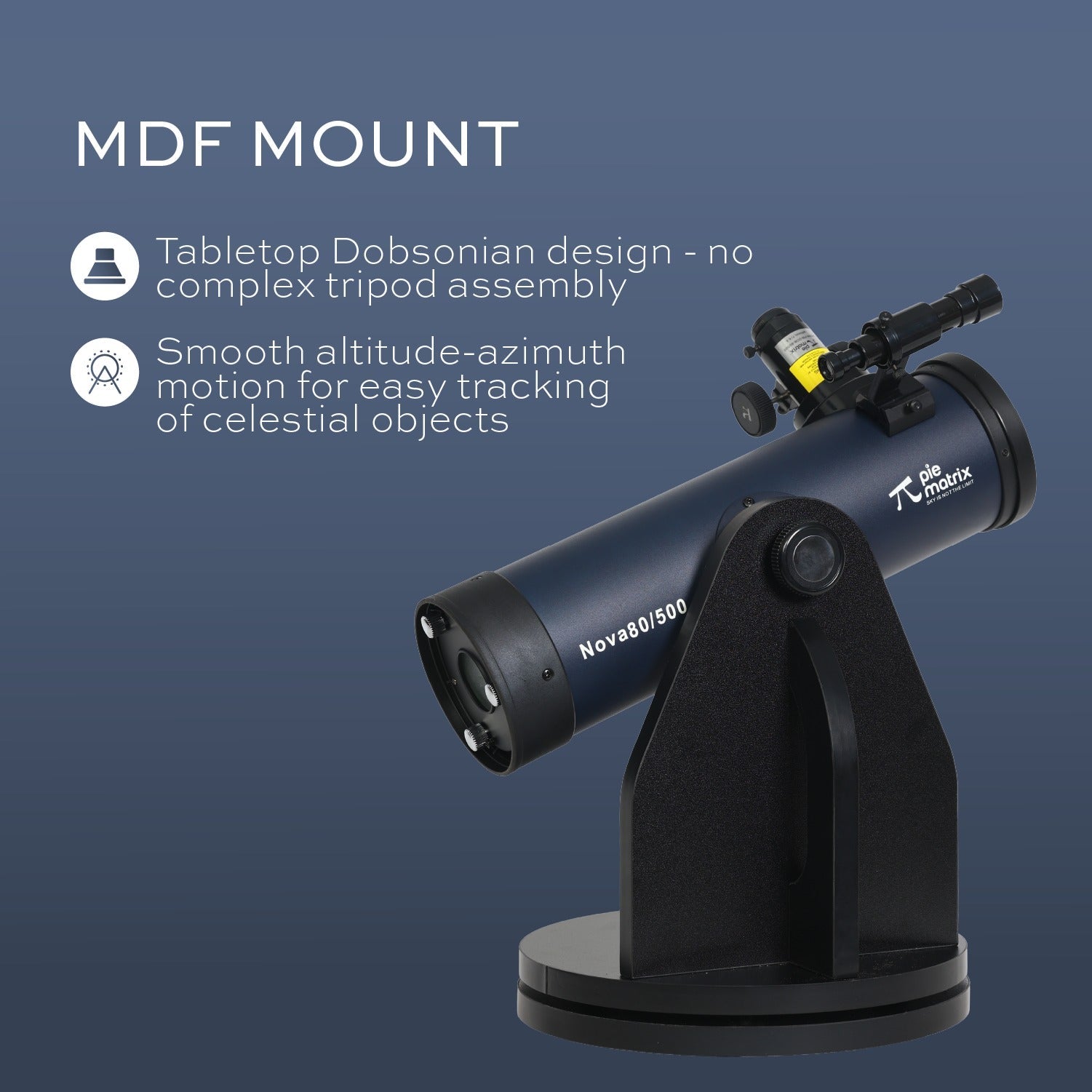
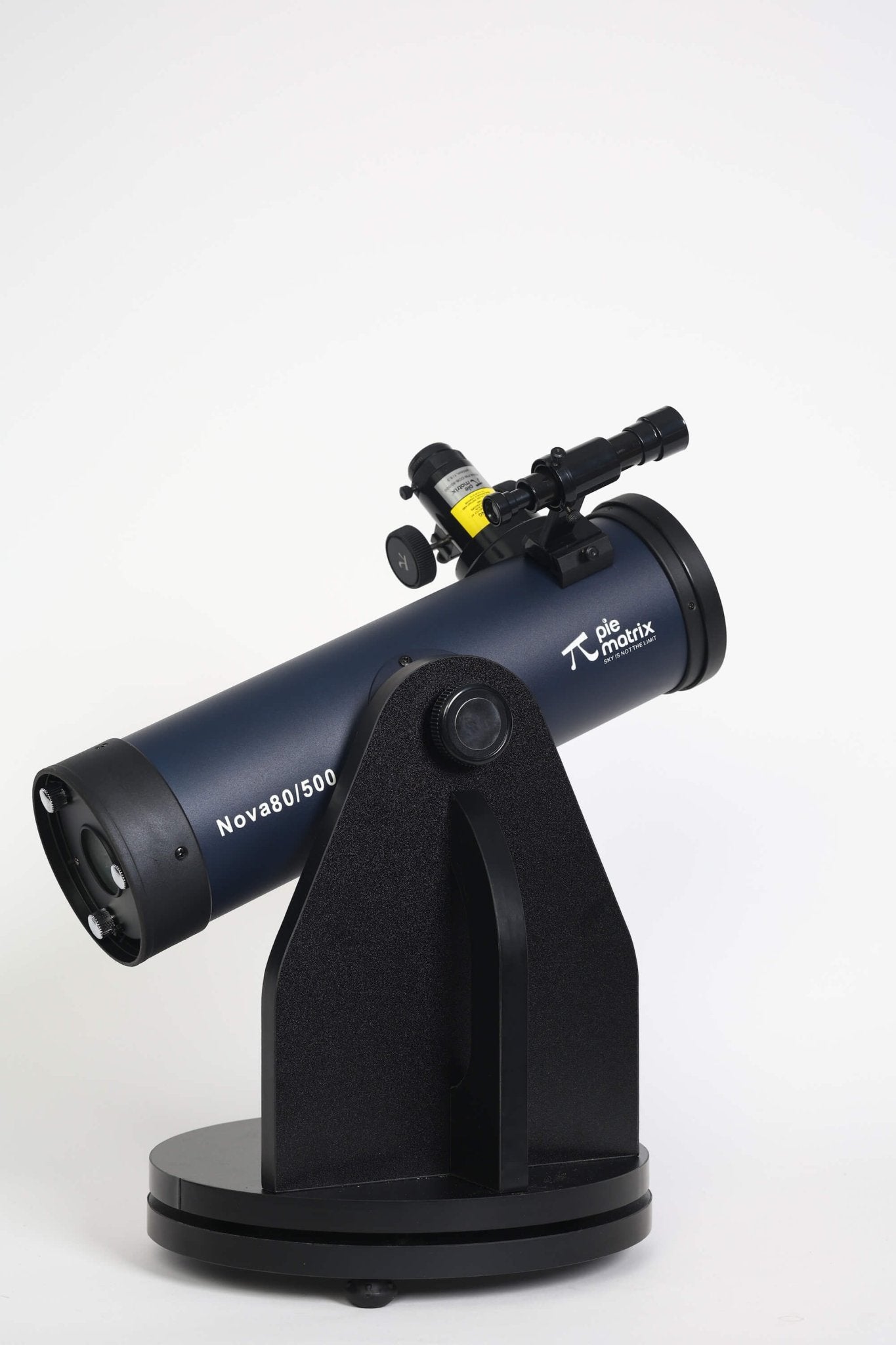
Table-Top dobsonian type, MDF material, black
Eyepieces
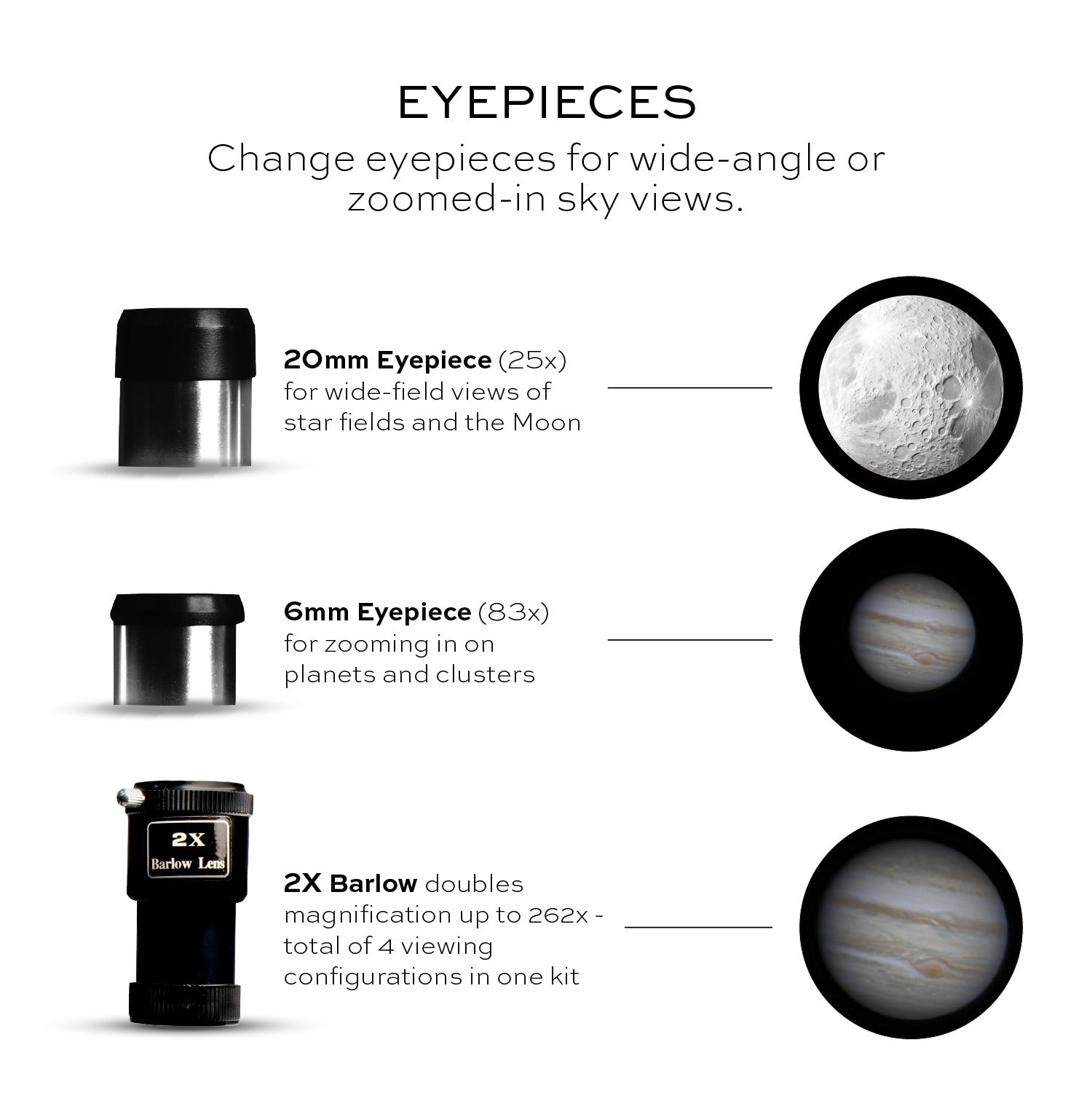
Eyepiece Sizes 1.25" F20, F6mm | Barlow 2X | Eyepiece 1 - 1.25" 20mm, 25X power | Eyepiece 2 - 1.25" 6mm, 83X power
Focuser type
1.25" Helical Rack & Pinion
Optical designs
Reflector
Light gathering power
131X (without Barlow), 262 (with barlow)

Included in the Box

  • Telescope Tube

    Telescope Tube

  • automotive

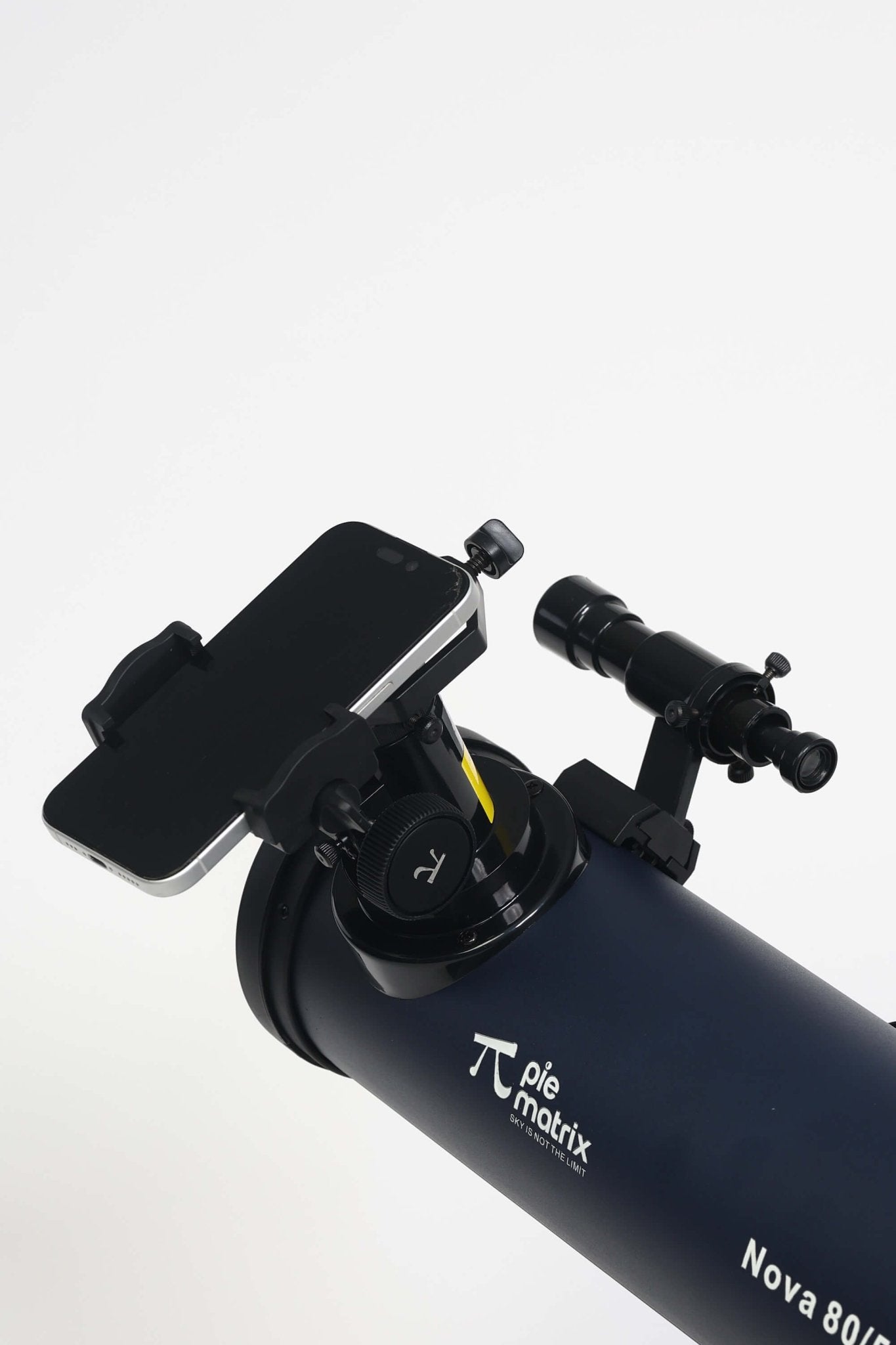
    Phone Adapter

  • Celestial Calendar

    Celestial Calendar

  • Travel Bag

  • Warranty Card

    Instruction Manual & Warranty

FAQs

How do I find and manually track planets and deep-sky objects with a Dobsonian telescope?
Locating a target with a Dobsonian comes down to hand movement. Side to side, then up or down, until the object sits centered in the eyepiece. Earth continues rotating during observation, though, so the object gradually drifts out of frame. A small correction often is enough to keep it centered. The Nova's manual motion remains smooth throughout this process, which keeps it manageable even for beginners.
What type of table or surface is best for using a Table-Top Dobsonian Telescope?
A stable, level surface is essential - one sturdy enough to support the telescope without movement. A solid table or raised platform that resists vibration will provide a steadier viewing experience, particularly at higher magnification
Can I use the Nova Table-Top Dobsonian in areas with light pollution?
City skies won't stop you from seeing the Moon or the planets. Faint galaxies and nebulae are however, more affected by ambient light. Darker locations remain the better bet choice for deep-sky observation.
How does an 80mm aperture and 500mm focal length affect what I can see?
Aperture determines how much light the telescope gathers, while focal length shapes magnification and field of view. Together, the Nova's 80mm aperture and 500mm focal length support both lunar and planetary observation, as well as views of brighter star clusters, galaxies, and nebulae.
Can I use the Nova Dobsonian Telescope for smartphone astrophotography?
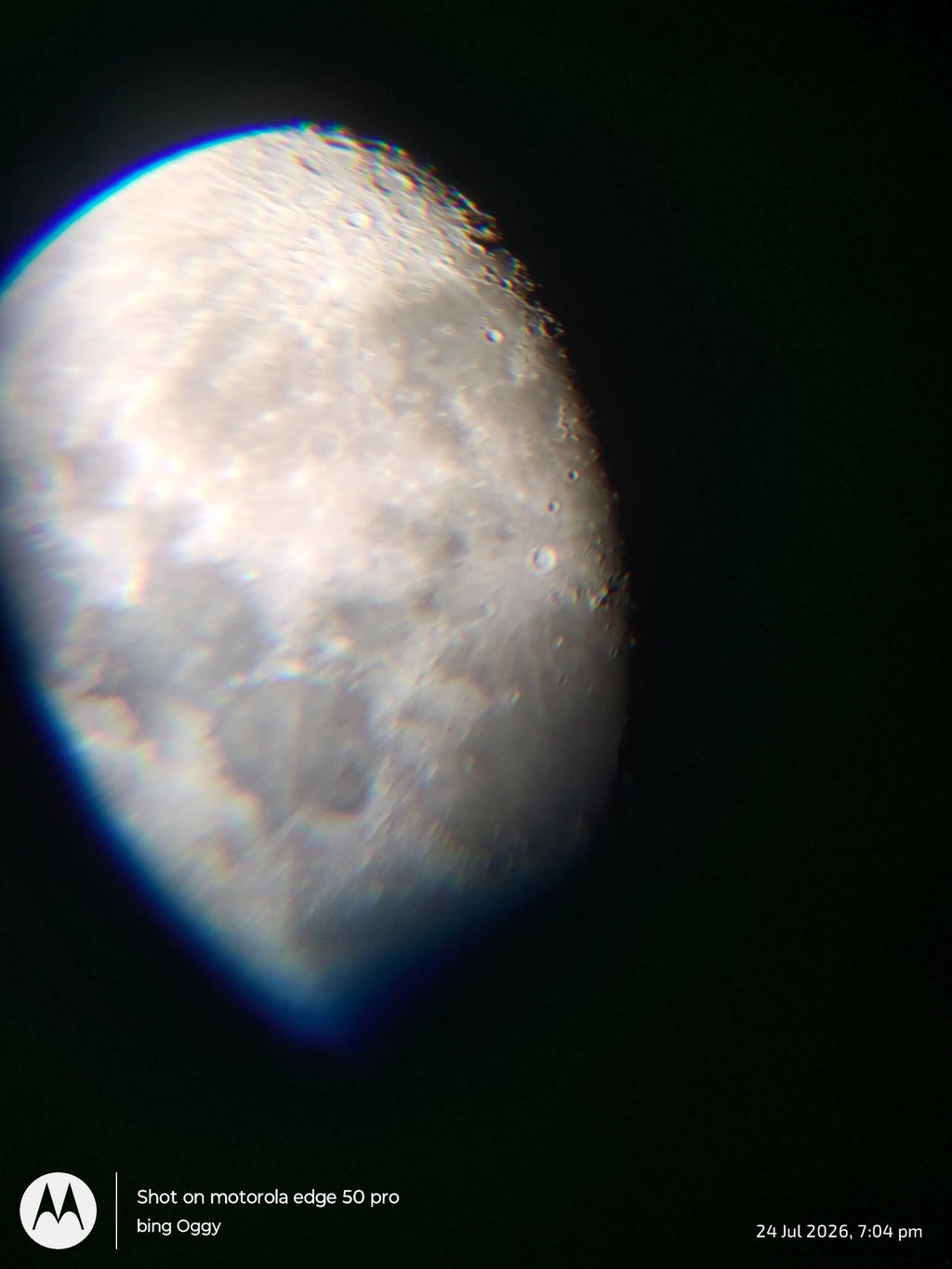
Yes, certainly. A phone adapter is included, supporting basic images of the Moon and bright planets. The telescope is designed primarily for visual observation, though, rather than advanced long-exposure astrophotography.
What is the best magnification to use with the Nova Table-Top Dobsonian?
The telescope includes a 20mm eyepiece for approximately 25x magnification and a 6mm eyepiece for around 83x, with a 2x Barlow lens extending this range further. Lower magnification is useful for locating and viewing larger objects, while higher magnification is better suited to lunar and planetary detail.
Is the Nova 80mm Dobsonian good for viewing galaxies, nebulae and star clusters?
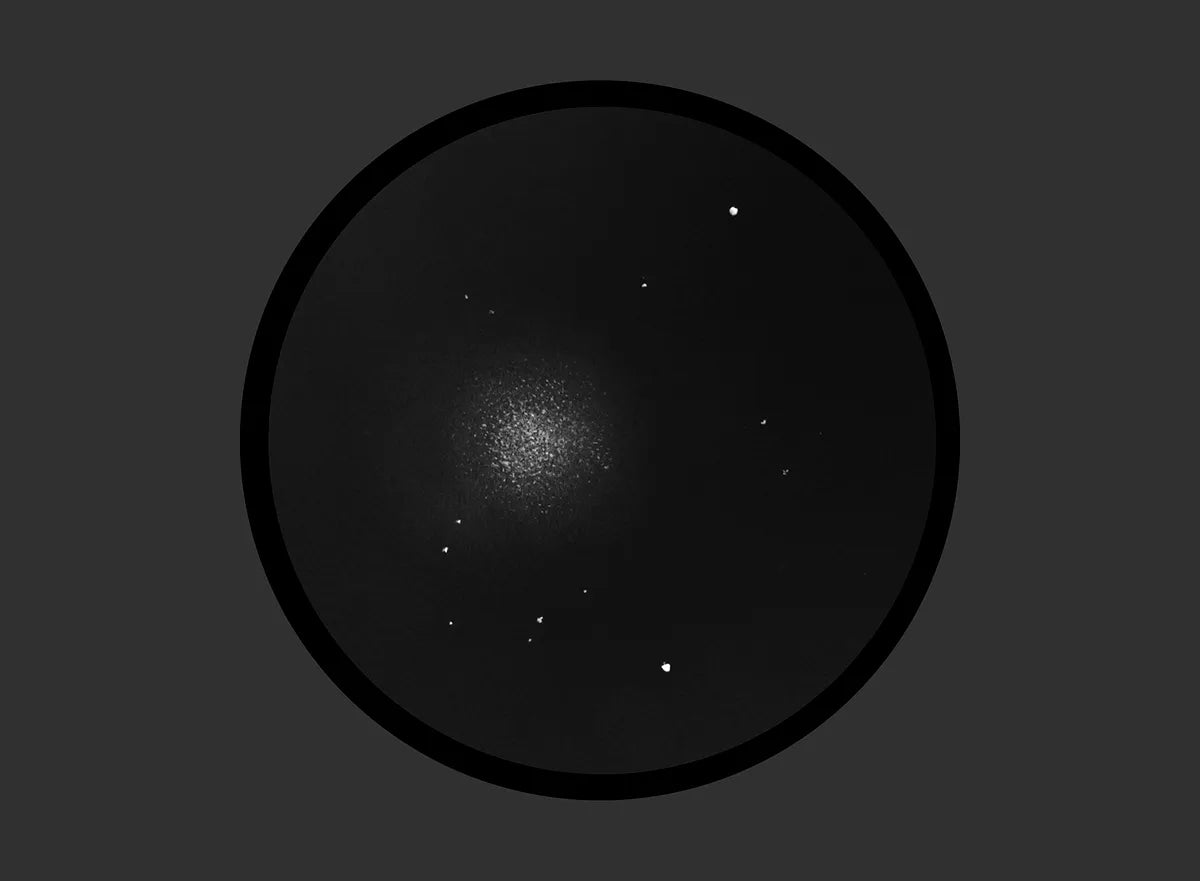
Yes, particularly the brighter examples. The 80mm aperture gathers more light than typical entry-level telescopes, allowing galaxies, nebulae, and star clusters to be observed with reasonable definition. Fainter objects remain better suited to darker locations.
Can I see Saturn's rings and Jupiter's moons with the Nova Dobsonian?
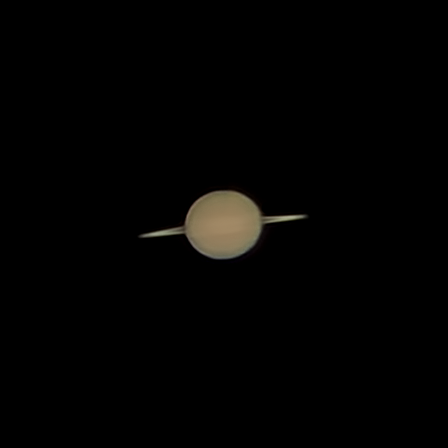
Yes, under favorable observing conditions. The 80mm aperture is sufficient to show Saturn's rings and Jupiter's moons, along with lunar craters and other planetary objects.
What can I see with an 80mm Table-Top Dobsonian Telescope?
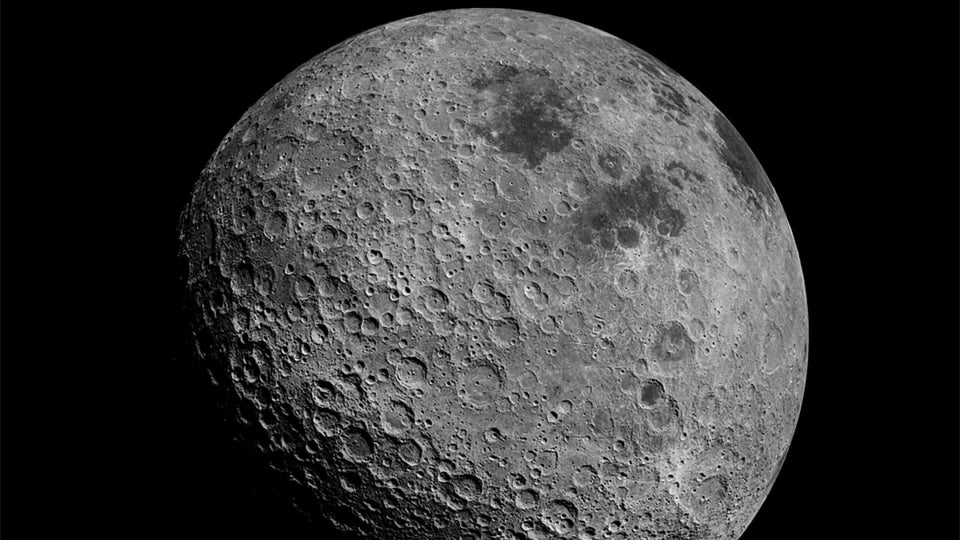
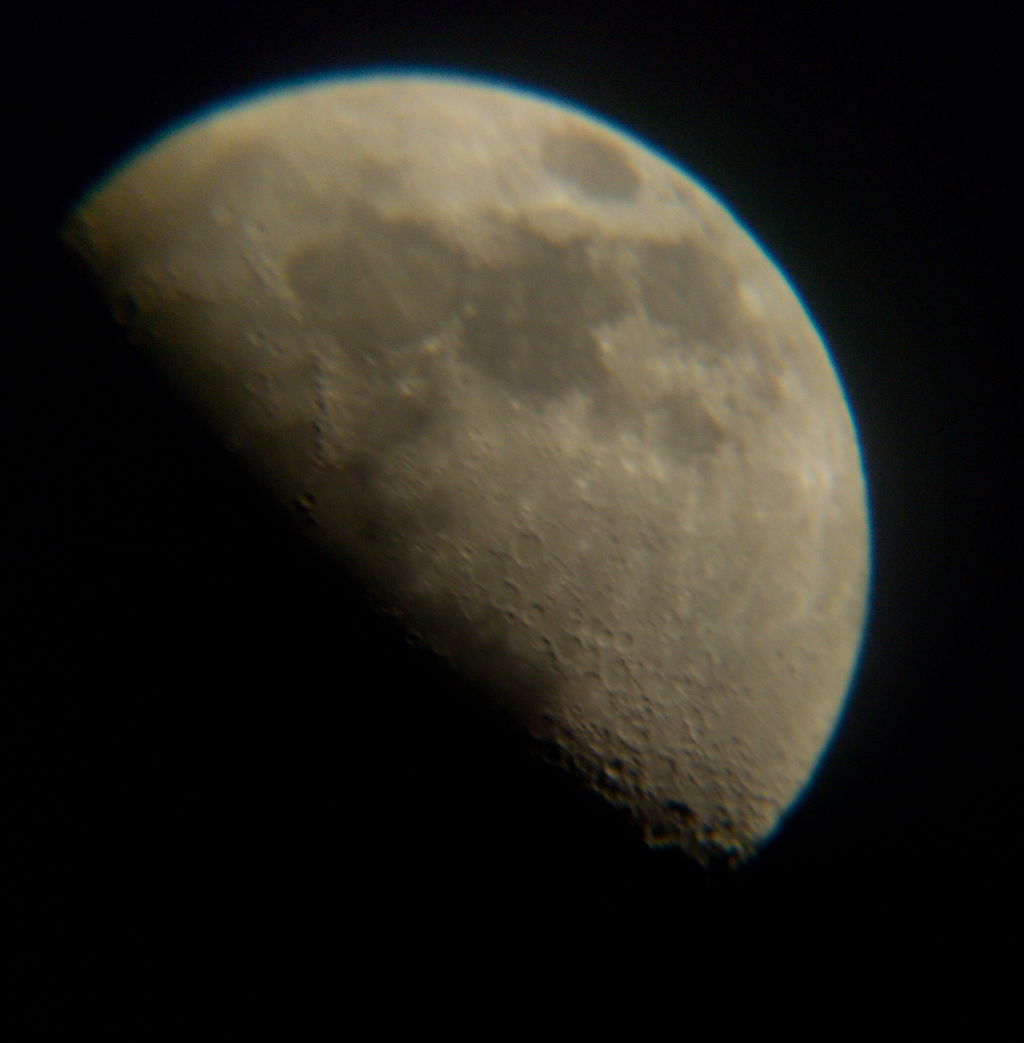
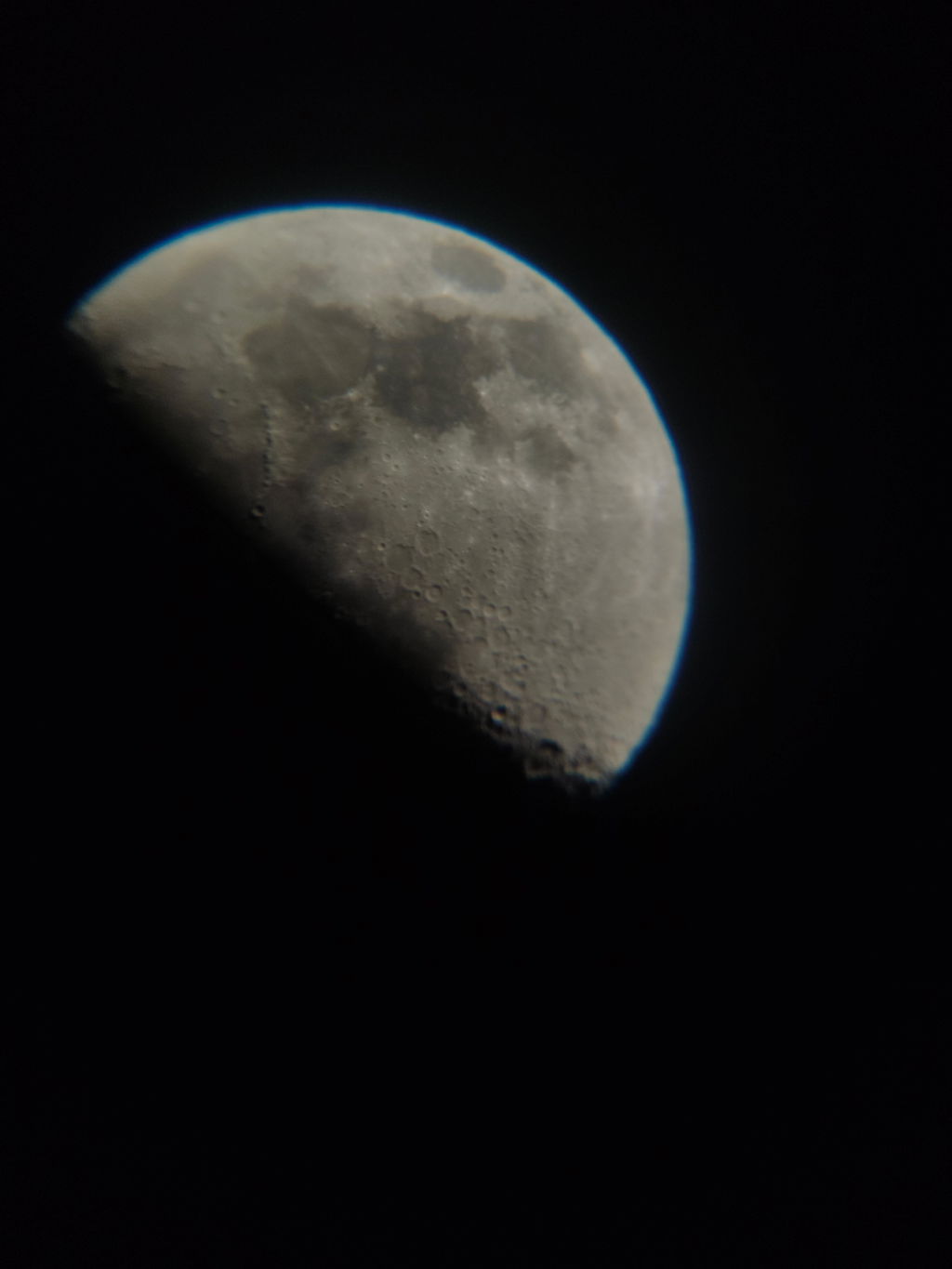
Lunar craters are visible. Jupiter shows its cloud bands and four visible moons. Star clusters are seen and so do the brighter galaxies and nebulae, on a clear enough night. An 80mm aperture paired with a 500mm focal length is great to explore planetary detail on one side and wider deep-sky views on the other.
Is the Nova Table-Top Dobsonian a good telescope for beginners and kids?
Yes. Setup rarely takes more than a few minutes, thanks to the tabletop Dobsonian mount and smooth focuser built into the design. Its compact frame is also easy for a child to manage, which makes the Nova a sound choice for family stargazing evenings.

Blog posts

Choosing the Best Telescope for Beginners in India in 2026
Choosing the Best Telescope for Beginners in India in 2026

Choosing your first telescope feels exciting right up until you start comparing and get a list of specifications. Aperture, focal length, mounts, eyepieces, price tags all over the map and suddenly you’re not sure where to even begin when choosing...

Read more

Astronomical Events in January 2026 - Pie Matrix

Astronomical Events in January 2026

January usually feels like a dull hangover after the excitement of December. The holidays are over, motivation is low, and the nights feel endlessly long. However, what if we told you that the night sky in January is secretly throwing...

Read more

Astronomical events in December 2025 - Pie Matrix

Astronomical events in December 2025

Some months make us feel like the universe is quiet, whereas there are other months like December 2025, when the sky decides to celebrate. Especially if you love stargazing, or you are just extremely curious about what’s happening above you,...

Read more

Nova Table Top Dobsonian Telescope

svg

Pre-order item

product preview

Select variant

Select purchase option

Your pre-order item has reached its limit.