
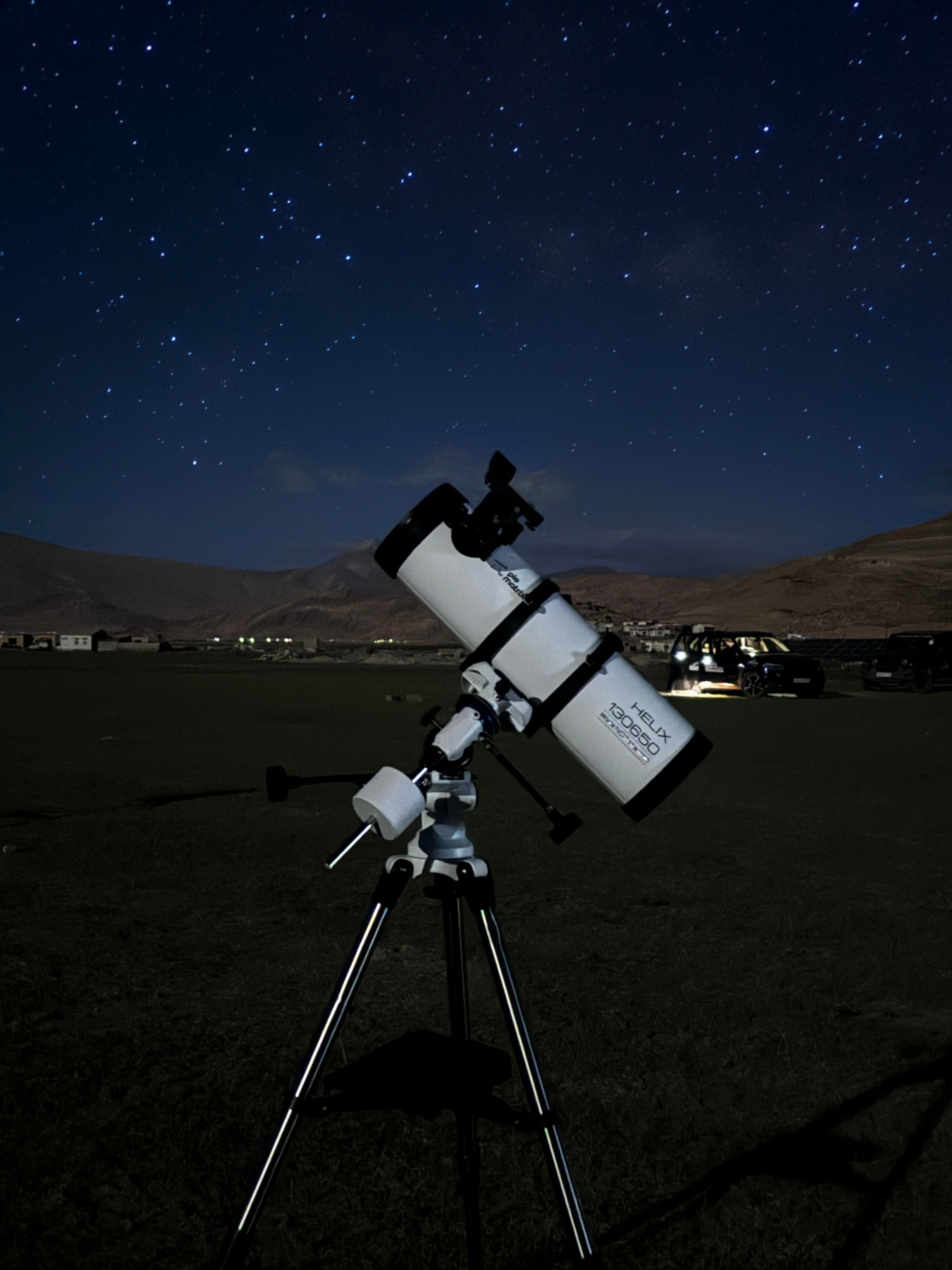
January usually feels like a dull hangover after the excitement of December. The holidays are over, motivation is low, and the nights feel endlessly long. However, what if we told you that the night sky in January is secretly throwing a cosmic party while you are busy blaming the January blues? Yes, we aren’t lying. January 2026 brings a lineup of astronomical events that are dramatic, stunning, and surprisingly easy to enjoy, even if you are not a hardcore stargazer. So, grab a blanket, a cup of something warm, and prepare yourself to step outside because in this blog, we are going to talk about some of the most fabulous astronomical events in January 2026!
The Wolf Moon: January 3
January opens with the Wolf Moon, which is the first full moon of the year. Its name comes from northern cultures and is inspired by the haunting howls of wolves echoing through winter nights. Imagine yourself in a moonlit night with a glowing moon hanging over a cold, quiet landscape- it’s cinematic, moody, and absolutely Instagram-worthy!
Earth at Perihelion: January 3
Here’s a fun twist that you didn’t think about: Earth is actually closest to the Sun in early January, and this moment is called perihelion, which happens around January 3. No, it doesn’t make the winters hotter, but it does remind us how wonderfully weird space is and how seasons aren’t about distance; they are about Earth’s tilt.
Quadrantid Meteor Shower on January 3-4
If January had a headline act, this would be it. The Quadrantid meteor shower is one of the strongest of the year, and it peaks late on January 3 into the early hours of January 4. These meteors are fast, bright, and dramatic, but here’s the catch: the peak is short, so set that alarm, bundle up, and look north. Trust us when we say this: the payoff is worth it.
Jupiter at Opposition on January 10
Jupiter steps into the spotlight as it reaches opposition, which means it’s opposite the Sun in our sky. Translation? On this day, Jupiter rises at sunset, sets at sunrise, and looks ridiculously bright. With even a small telescope (or steady binoculars), you can spot its moon lined up like tiny celestial bodyguards.
New Moon: January 18
The New Moon is a stargazer’s best friend. With no moonlight washing out the sky, stars and planets shine their brightest. This is the perfect night to explore constellations, spot planets, or simply lie back and feel very small, as compared to the magnanimous universe around us- in the best way!
Conclusion
The bottom line is: January might feel quiet on Earth, but above us, the universe is wide awake. Don’t miss the show—experience these astronomical events at their very best with affordable and efficient telescopes and binoculars from The Pie Matrix, or contact us to get expert guidance on choosing the perfect stargazing equipment.
Share:
Astronomical events in December 2025
Choosing the Best Telescope for Beginners in India in 2026