Buy Rigel Telescope Online at a Lowest Price - Pie Matrix

Best for Planetary and Deep Sky Viewing

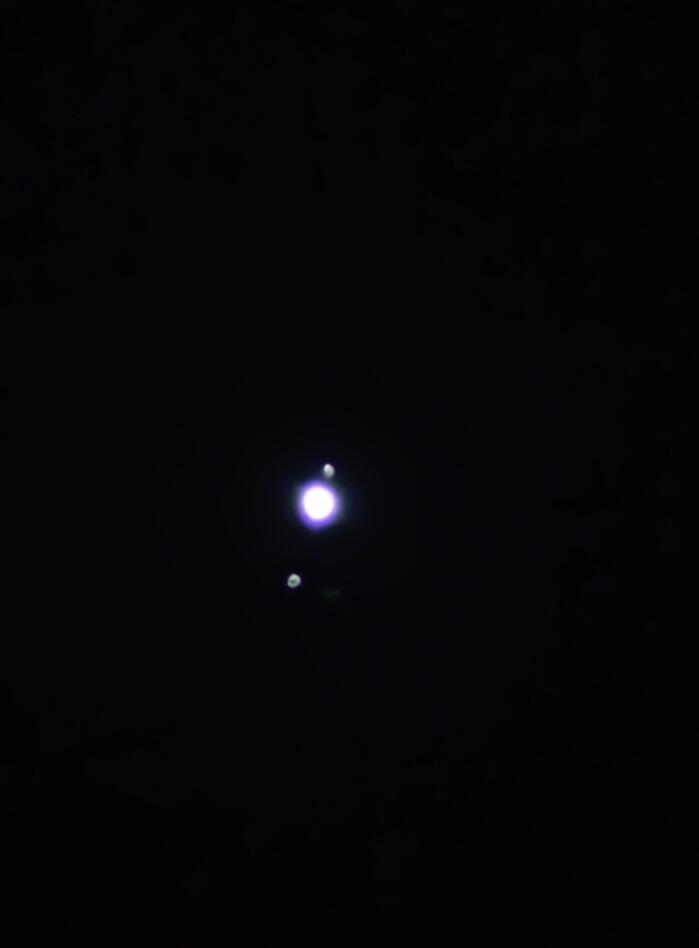
Jupiter Image

235x Magnification

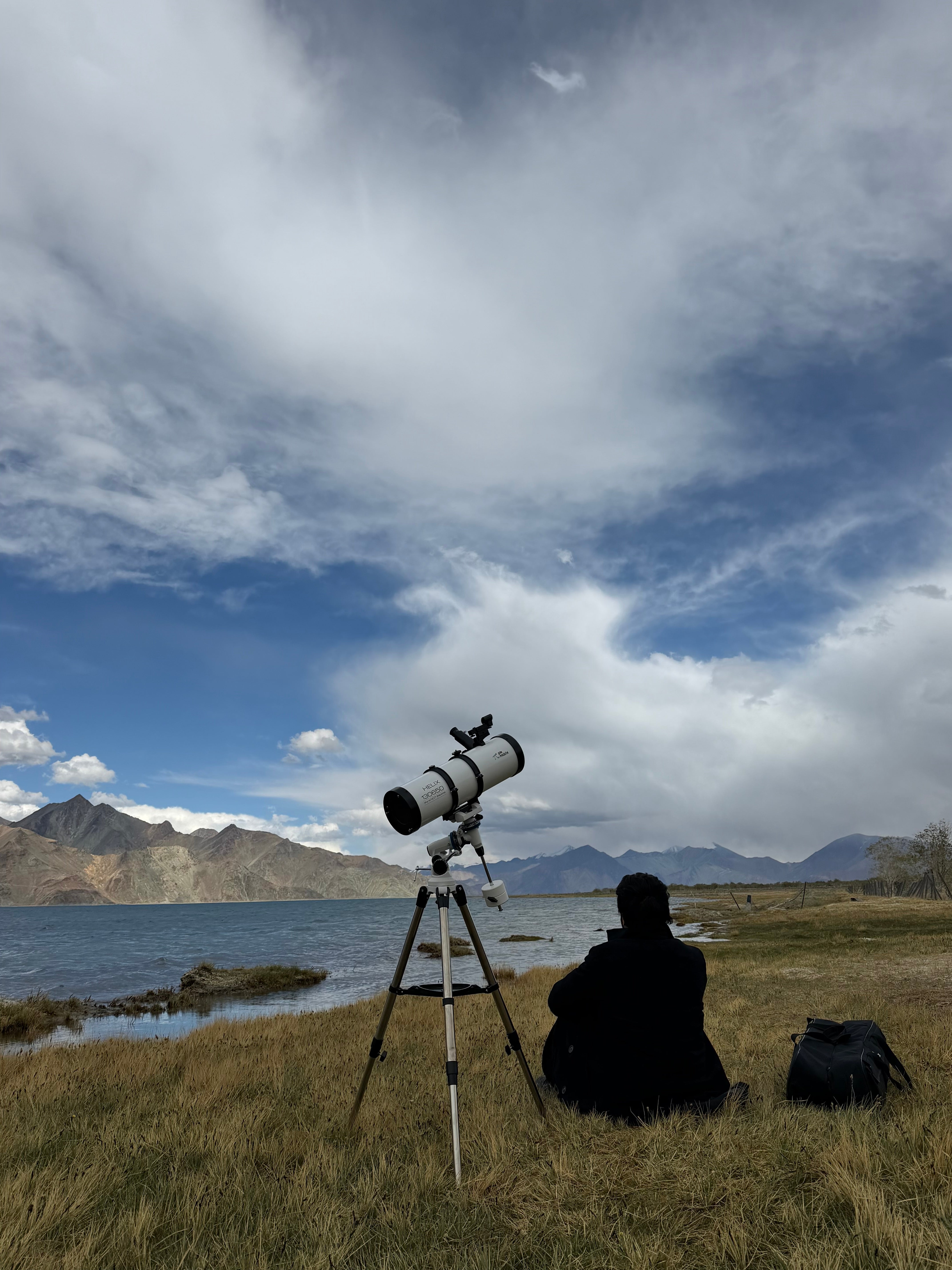
Sky is Not the Limit
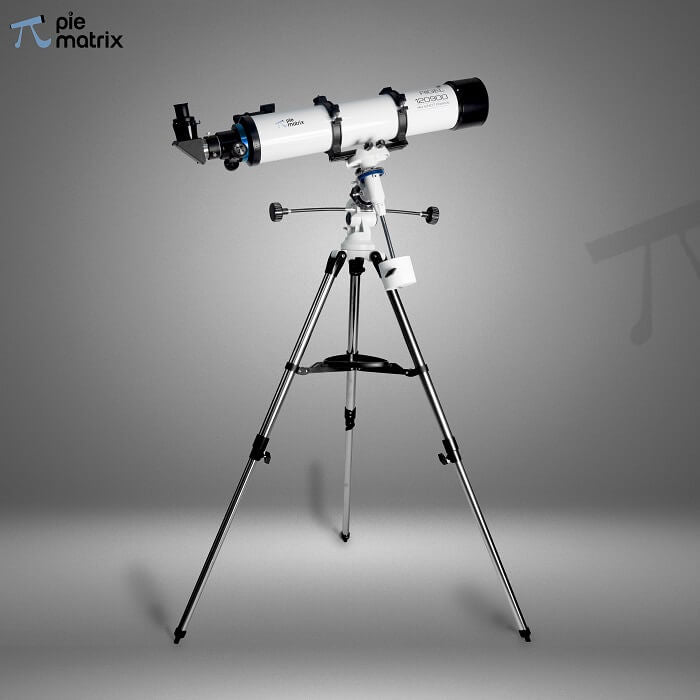
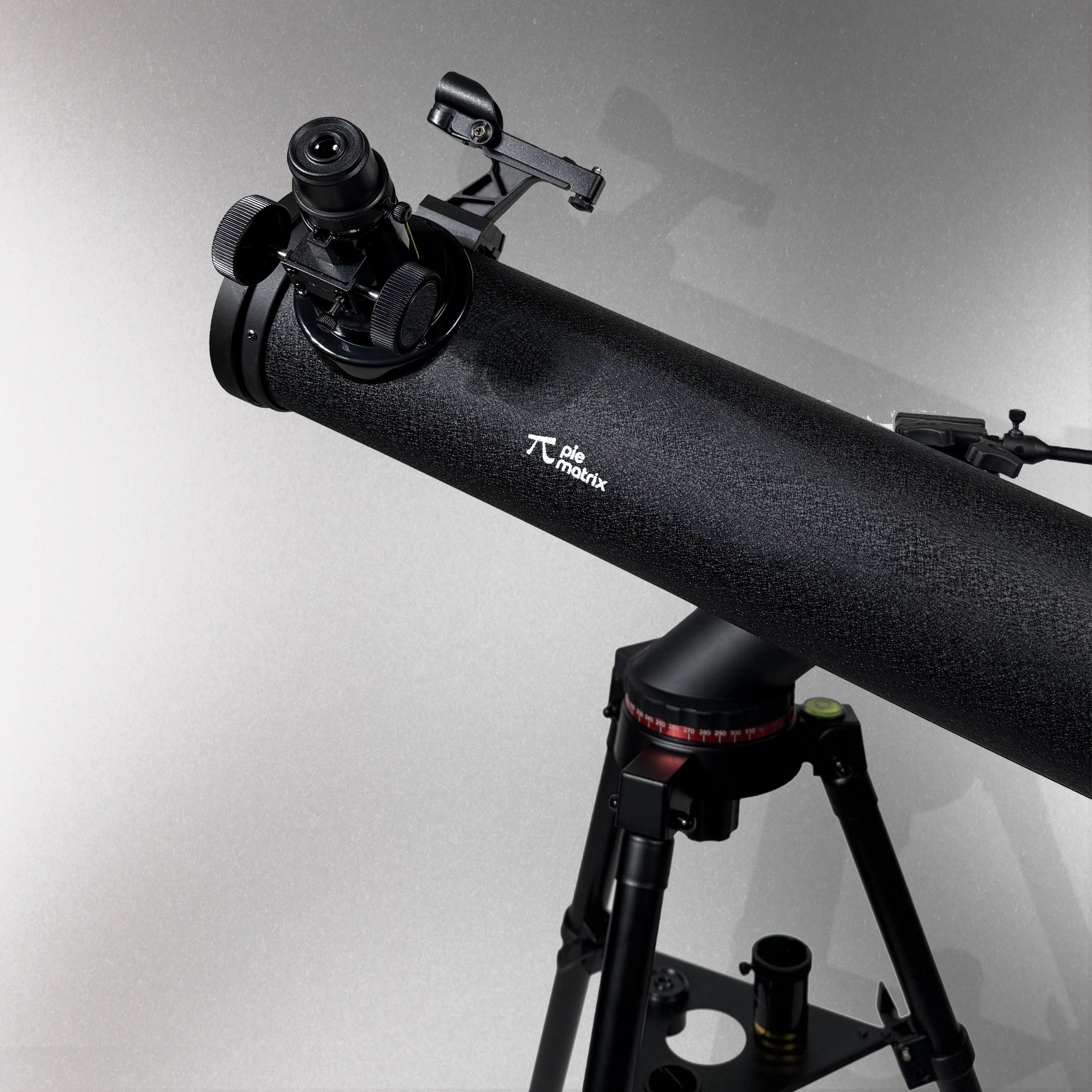
Rigel Refractor Telescope - Telescopes - Pie Matrix

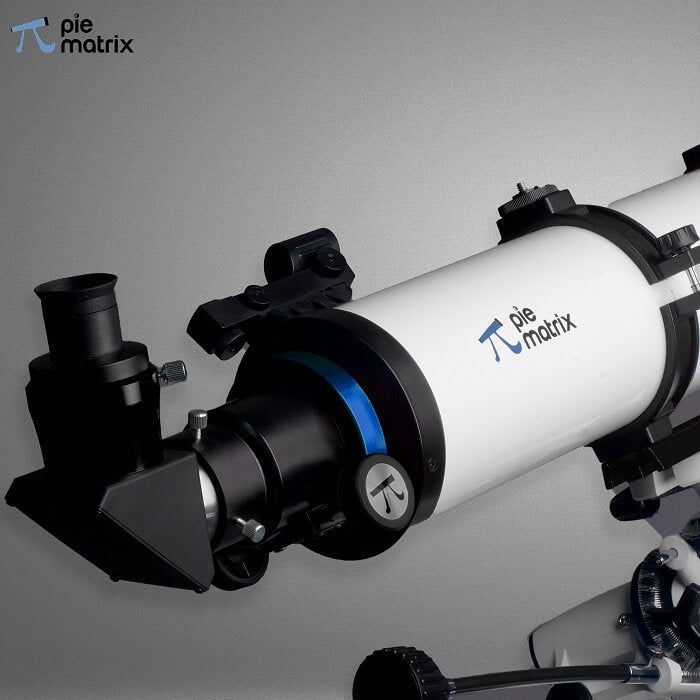
EQ3 German Mount

Tech Specifications

Specs
Aperature
120mm
Focal length
900mm
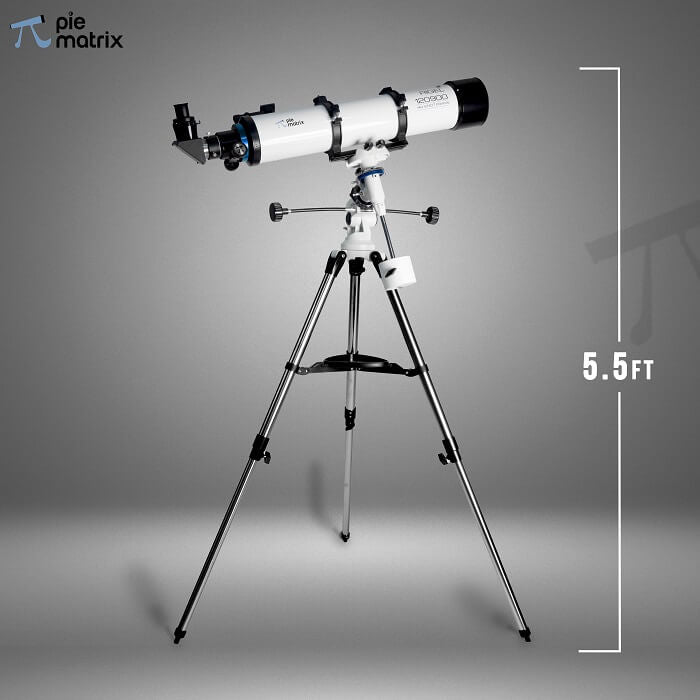
Tripod
Adjustable Aluminium
Tripod color
304 Stainless steel
Magnification
235X(with barlow)
Focal ratio
f/9.2
Mount
EQ3 GERMAN MOUNT
Lens mirror type
Highly reflective aluminum/SiO2 coated Lens
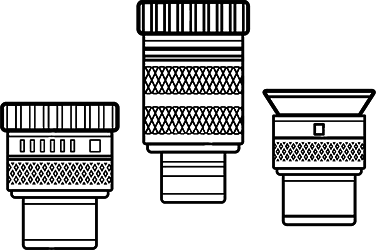
Eyepieces
20mm, 12mm, 6mm
Finder scope
Optical Finderscope 5X24
Accessories
3X Barlow, Phone Adapter Bluetooth Adapter & Moon filter
Resolution
1.52 Arc Second
Tubematerial
Metal
Prism
NA
Color
White
Weight
6.2kg

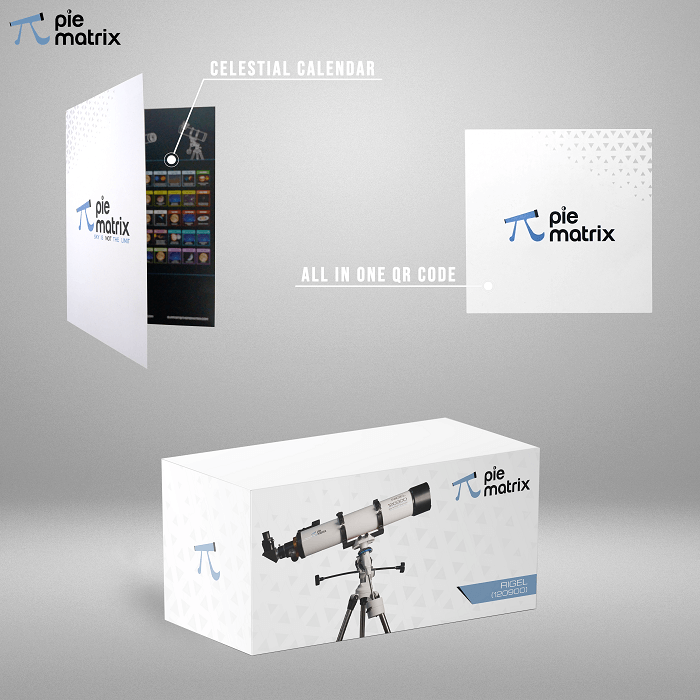
Included in the Box

  • Phone Adapter

  • Red Dot Finder

  • eyepie

    Eyepieces

  • Celestial Calendar

    Celestial Calendar

  • Warranty Card

    Warranty Card

FAQs

Can the Rigel Telescope be used for long-exposure astrophotography and what additional equipment is required?
Astrophotography support is built into the design, but long-exposure deep-sky imaging asks for more than the telescope alone can provide. A suitable camera, a properly aligned equatorial mount for tracking, the right adapters, and possibly additional guiding equipment may all come into play, depending on what kind of imaging you're after.
Is the Rigel 120/900 Refractor Telescope suitable for beginners or is it better for experienced astronomers?
Both groups can work with it, though there's a bit of a learning curve compared to a simple tabletop telescope, the EQ3 mount and larger optical system take some getting used to. The Rigel really stands out if users are looking to move beyond casual observation into serious planetary work and astrophotography.
How does the EQ3 German equatorial mount help with long-duration observation and astrophotography?
An EQ3 mount tracks Earth's rotation, following celestial objects as they drift across the sky rather than requiring constant manual correction. That makes extended observation considerably easier, and once properly aligned, it gives astrophotography a far steadier foundation than a basic manual mount would offer.
What does the 120mm aperture and 900mm focal length mean for image quality?
Aperture and observing power go hand in hand here, and 120mm provides both in reasonable measure. The 900mm focal length supports detailed lunar and planetary views, while an f/9.2 focal ratio keeps the telescope well matched to high-contrast observation of the Moon and planets specifically.
What is the best magnification to use with the Rigel 120/900 Telescope?
With a 900mm focal length, the Rigel includes 20mm, 12mm, and 6mm eyepieces, each providing a different level of magnification. When paired with the Barlow lens, the listed maximum reaches 235x, though the appropriate setting for any given session depends on the target and atmospheric conditions.
Can I capture Moon and planet images using a smartphone with the Rigel Telescope?
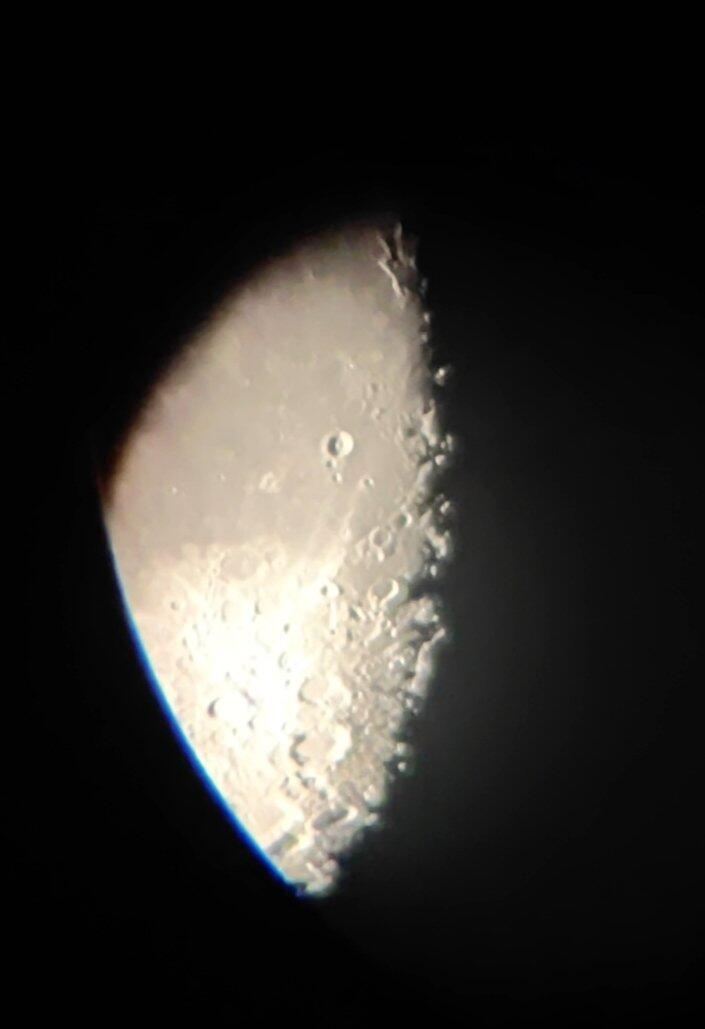
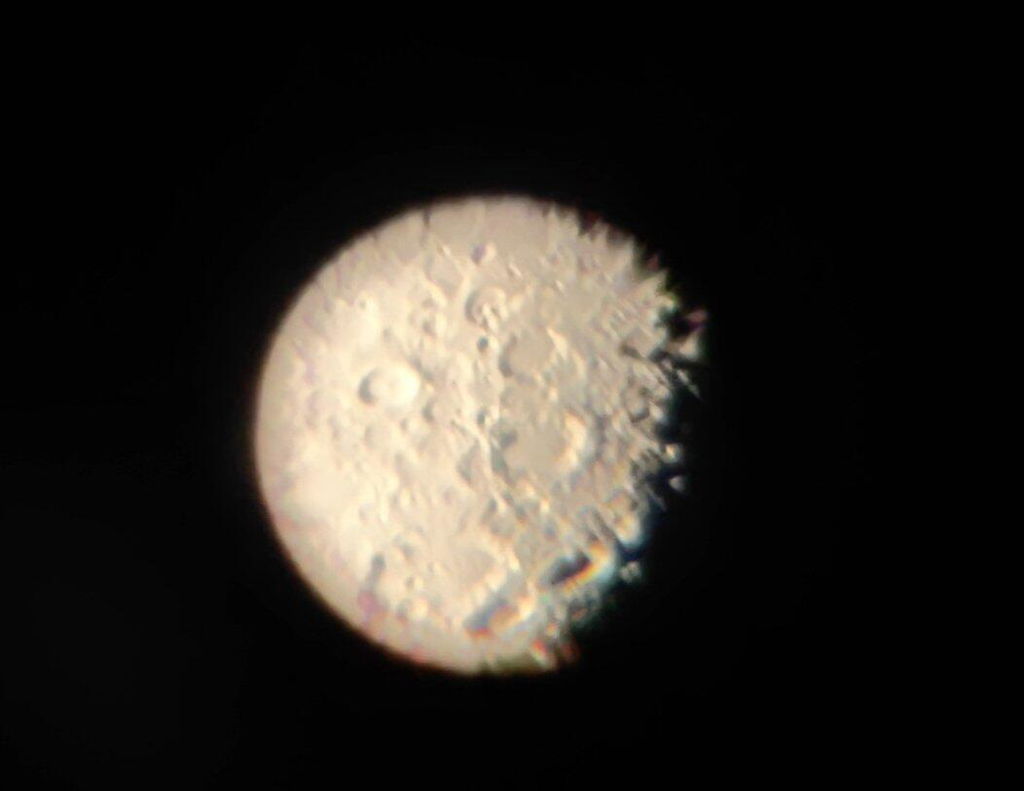
Yes. A phone adapter comes included, making it possible to capture images of the Moon and bright planets directly through a smartphone. The accessory package also adds a Bluetooth adapter and a Moon filter.
Is the Rigel Telescope suitable for planetary astrophotography?
Yes. Built with lunar, planetary, and deep-sky observation in mind, the Rigel also extends into astrophotography by way of its EQ3 German equatorial mount, a tracking platform far better suited to imaging than a manual alt-azimuth setup would be.
Is the Rigel 120mm Refractor Telescope good for viewing galaxies, nebulae and star clusters?
Yes. For a refractor, a 120mm aperture provides a reasonable degree of light-gathering capability, sufficient to make star clusters and brighter galaxies and nebulae worthwhile targets. The 900mm focal length adds useful magnification for more detailed observation of these objects.
Can I see detailed views of Saturn's rings and Jupiter's cloud bands with the Rigel Telescope?
Yes. Planetary detail is one of the Rigel's strengths, and the 120mm aperture provides the observing power needed for it. Under stable atmospheric conditions and with suitable magnification, Saturn's rings and Jupiter's cloud bands both are seen clearly.
What can I see with the Rigel 120/900 Refractor Telescope?
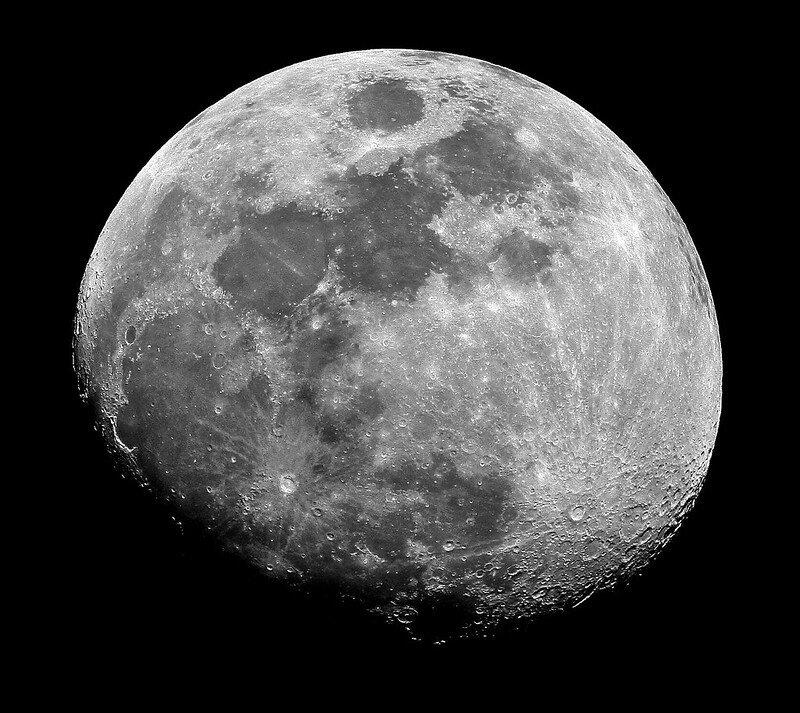
The 120mm aperture and 900mm focal length of Rigel 120/900 work together to support detailed lunar and planetary observation, along with brighter deep-sky targets. The Moon, planets, star clusters, and nebulae are all achievable targets with this telescope.

Blog posts

Choosing the Best Telescope for Beginners in India in 2026

Choosing the Best Telescope for Beginners in India in 2026

Choosing your first telescope feels exciting right up until you start comparing and get a list of specifications. Aperture, focal length, mounts, eyepieces, price tags all over the map and suddenly you’re not sure where to even begin when choosing...
Read more

Astronomical Events in January 2026 - Pie Matrix

Astronomical Events in January 2026

January usually feels like a dull hangover after the excitement of December. The holidays are over, motivation is low, and the nights feel endlessly long. However, what if we told you that the night sky in January is secretly throwing...
Read more

Astronomical events in December 2025 - Pie Matrix

Astronomical events in December 2025

Some months make us feel like the universe is quiet, whereas there are other months like December 2025, when the sky decides to celebrate. Especially if you love stargazing, or you are just extremely curious about what’s happening above you,...

Read more

Rigel Refractor Telescope

svg

Pre-order item

product preview

Select variant

Select purchase option

Your pre-order item has reached its limit.