Buy Pegasus 76700 Newtonian Reflector Telescope – Pie Matrix

Professional Grade Telescope for Enthusiasts
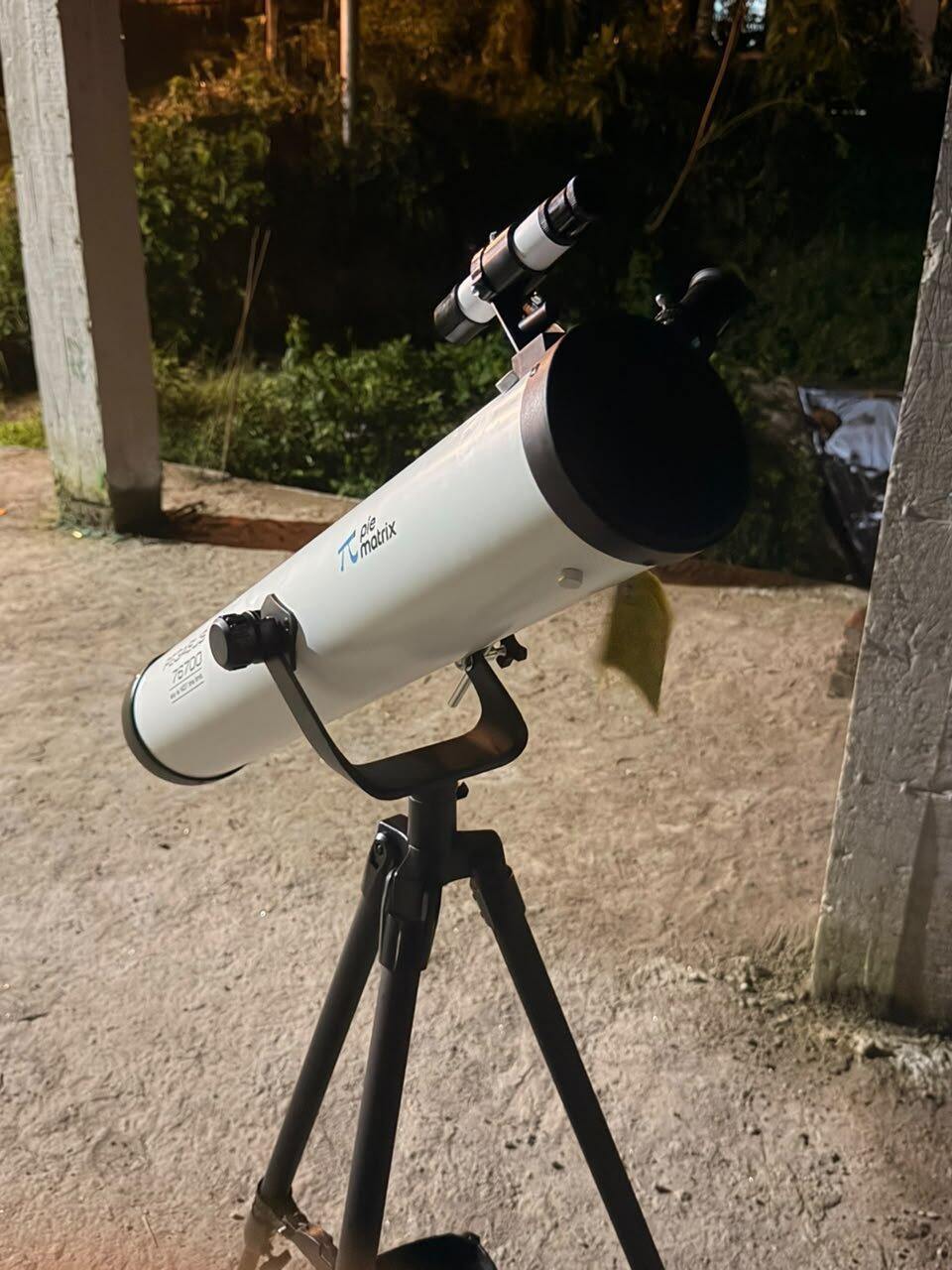
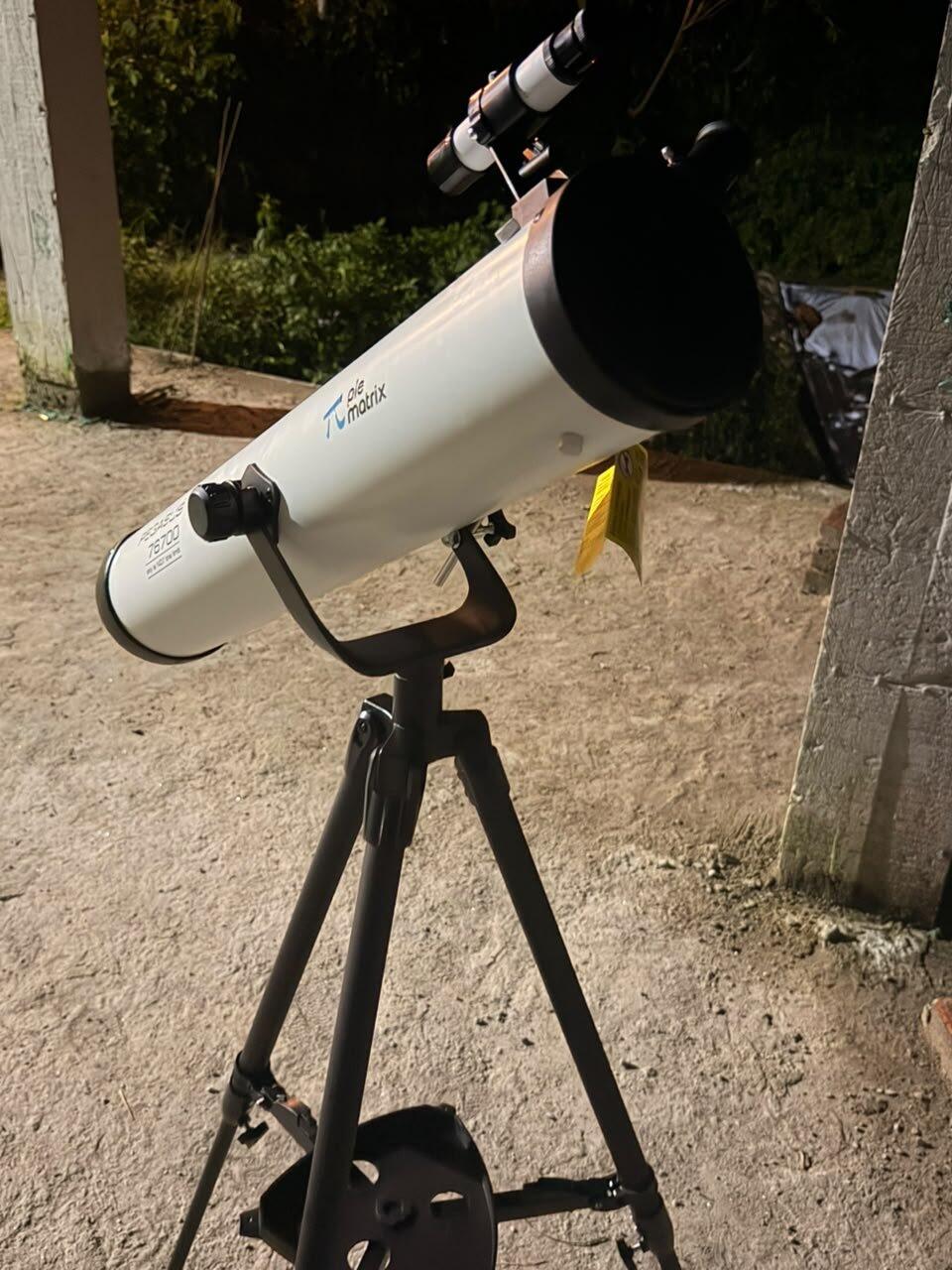
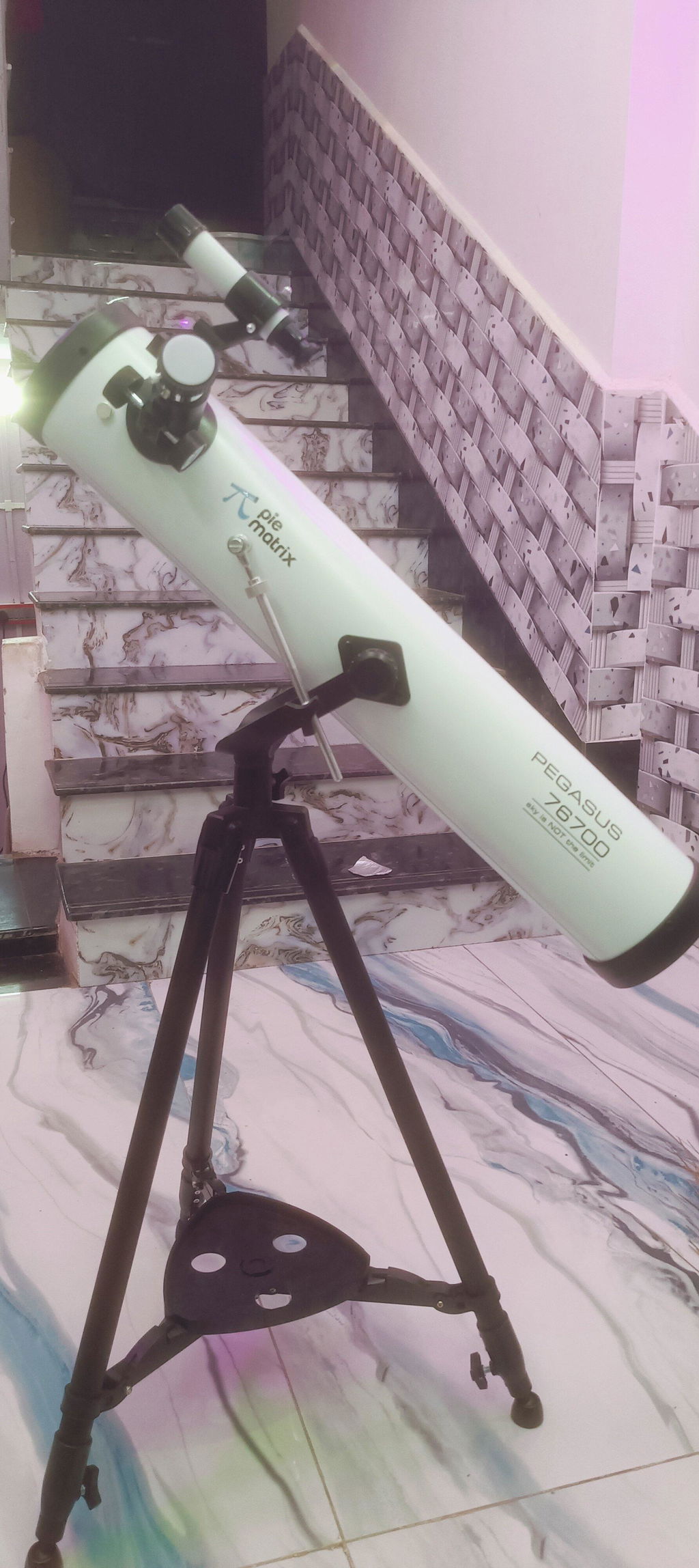
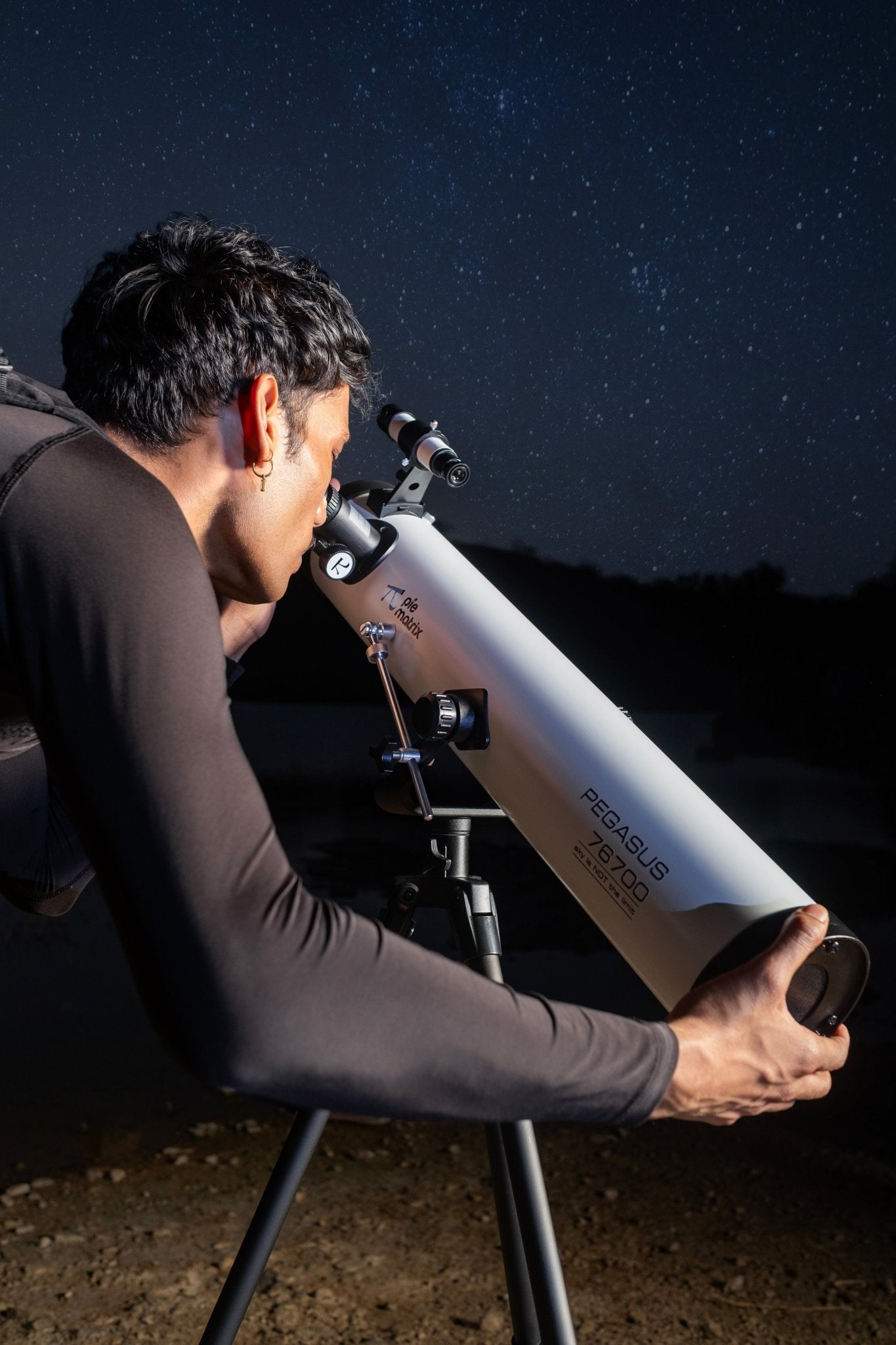
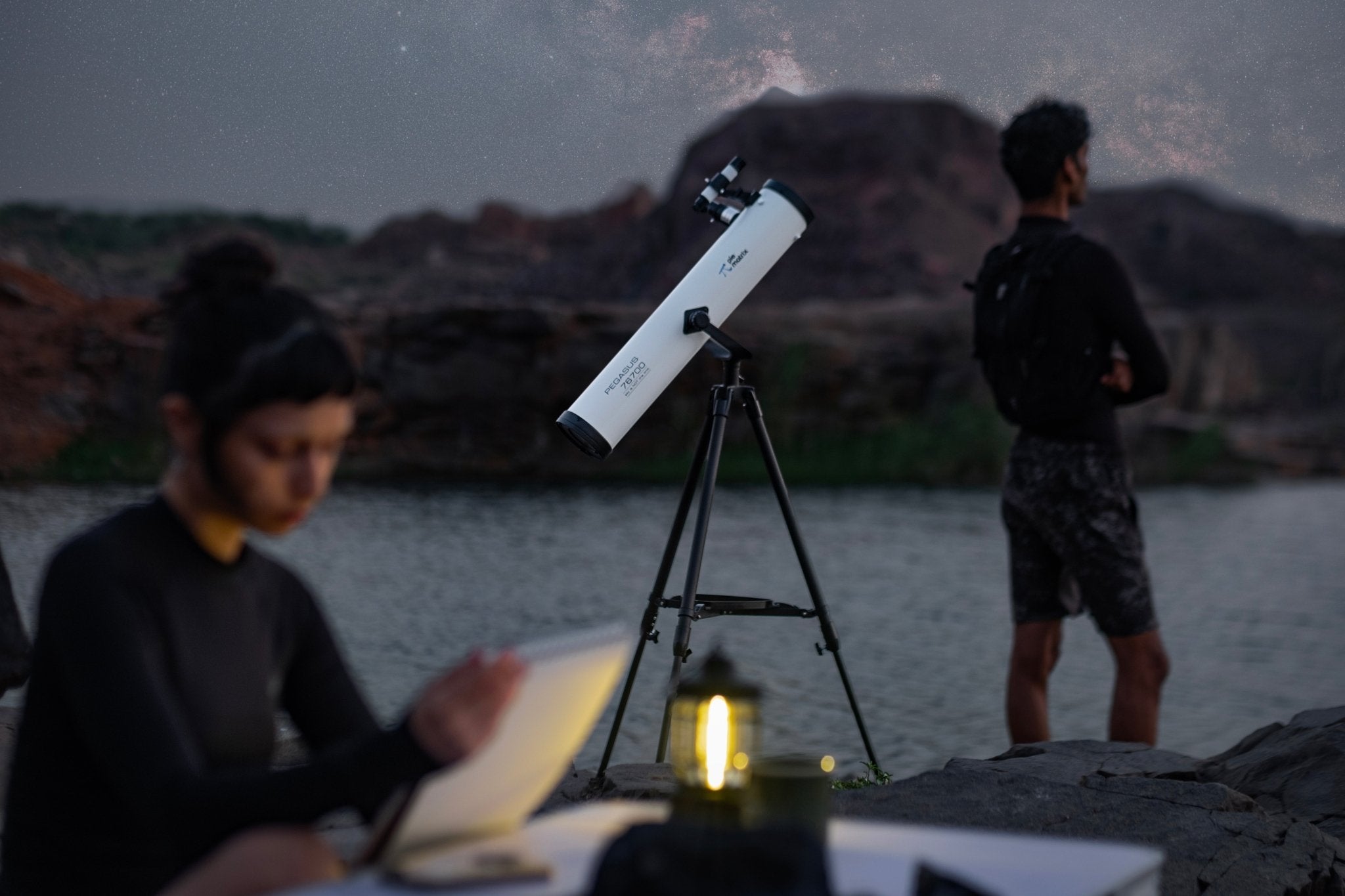
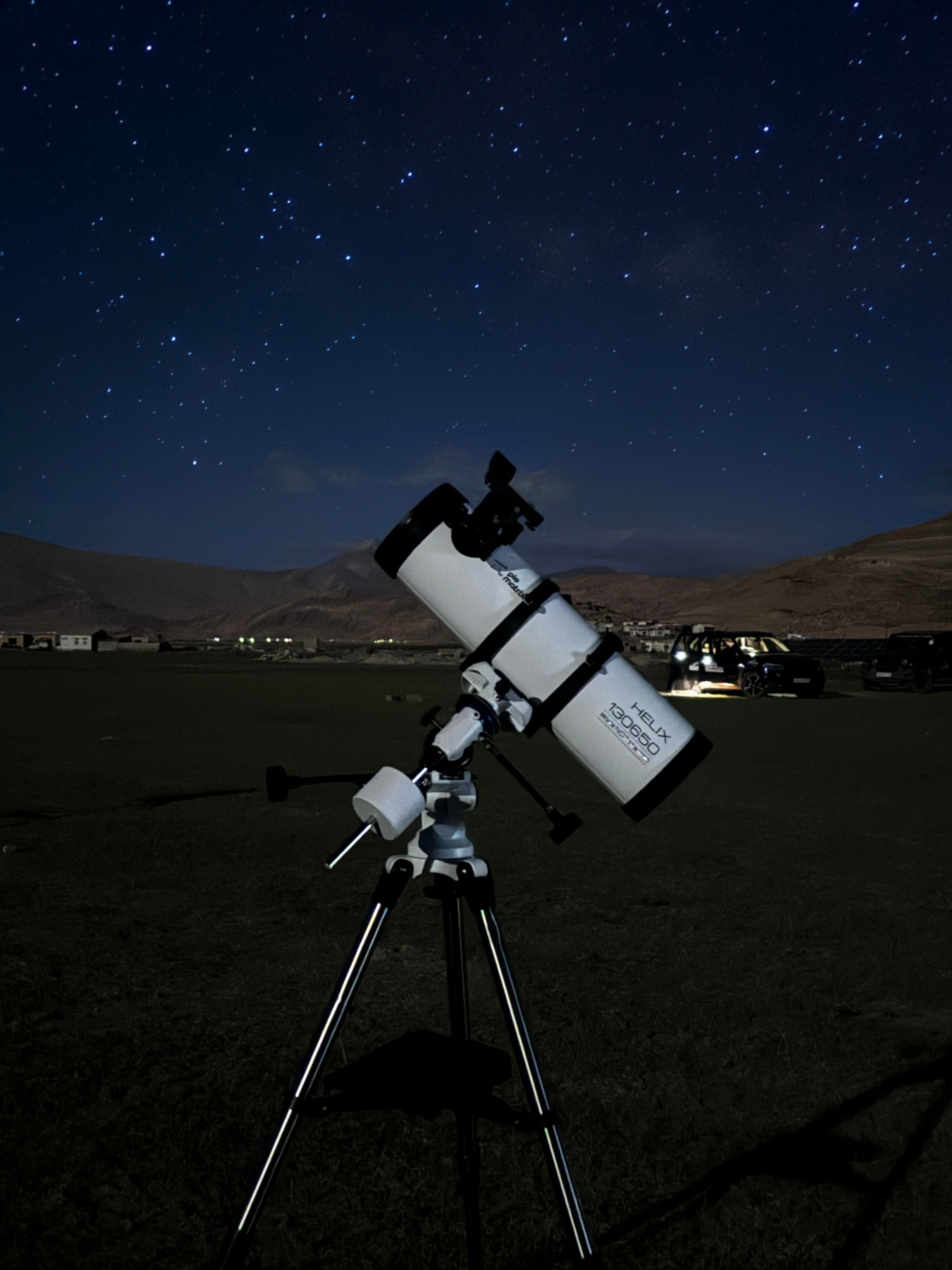
The Pie Matrix Pegasus 76700 Newtonian Reflector Telescope is the ultimate choice for both beginners and experienced stargazers, providing exceptional performance for celestial viewing and deep sky observation.

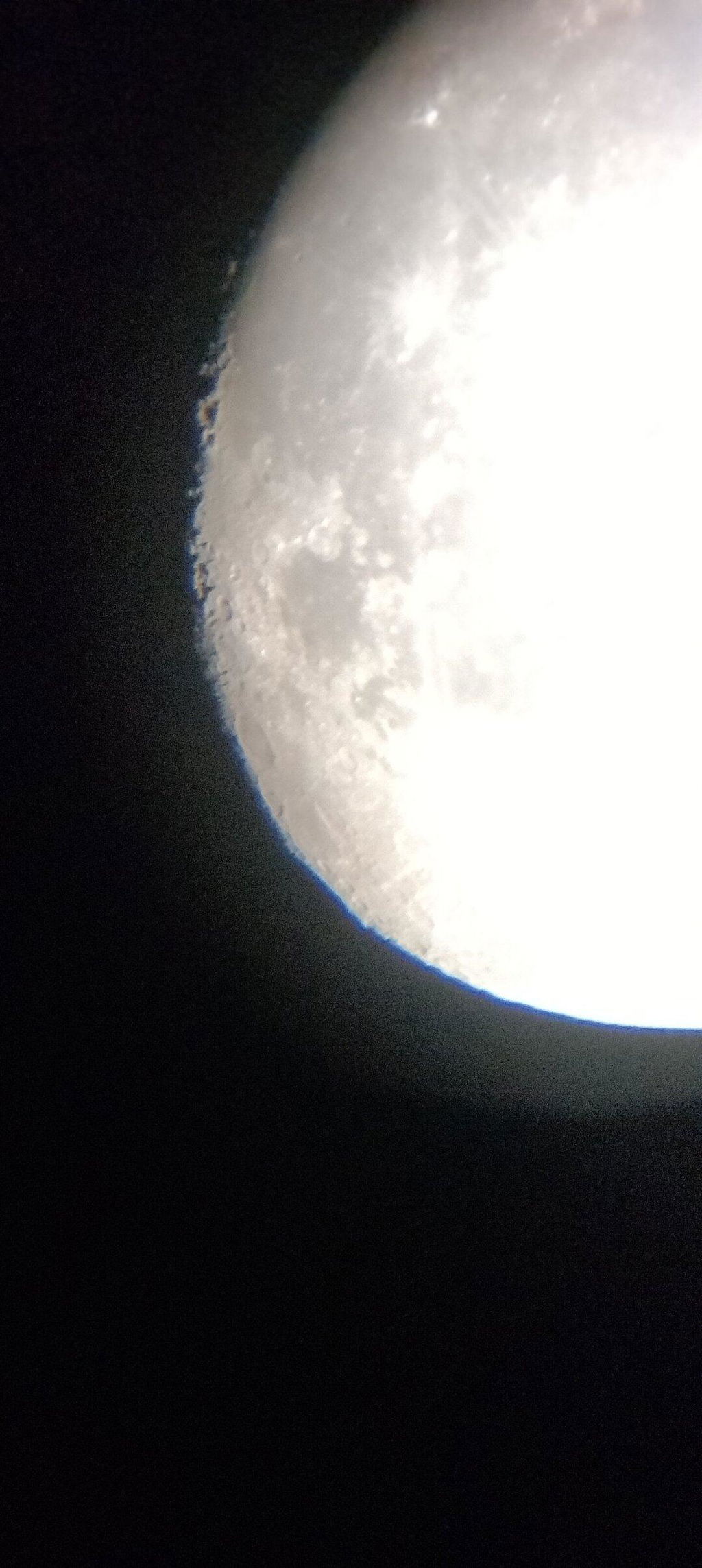
Best Telescope to see planets and click images of Planets

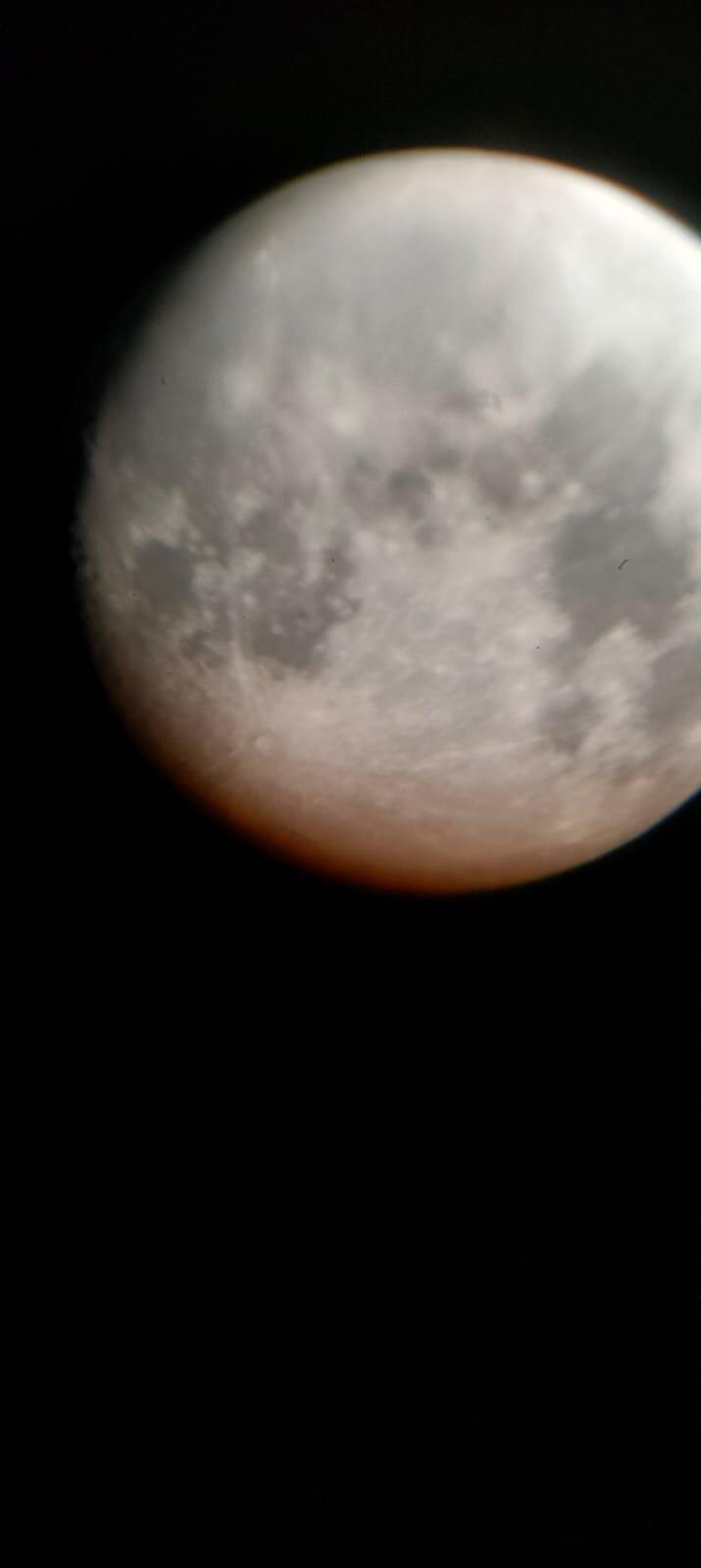
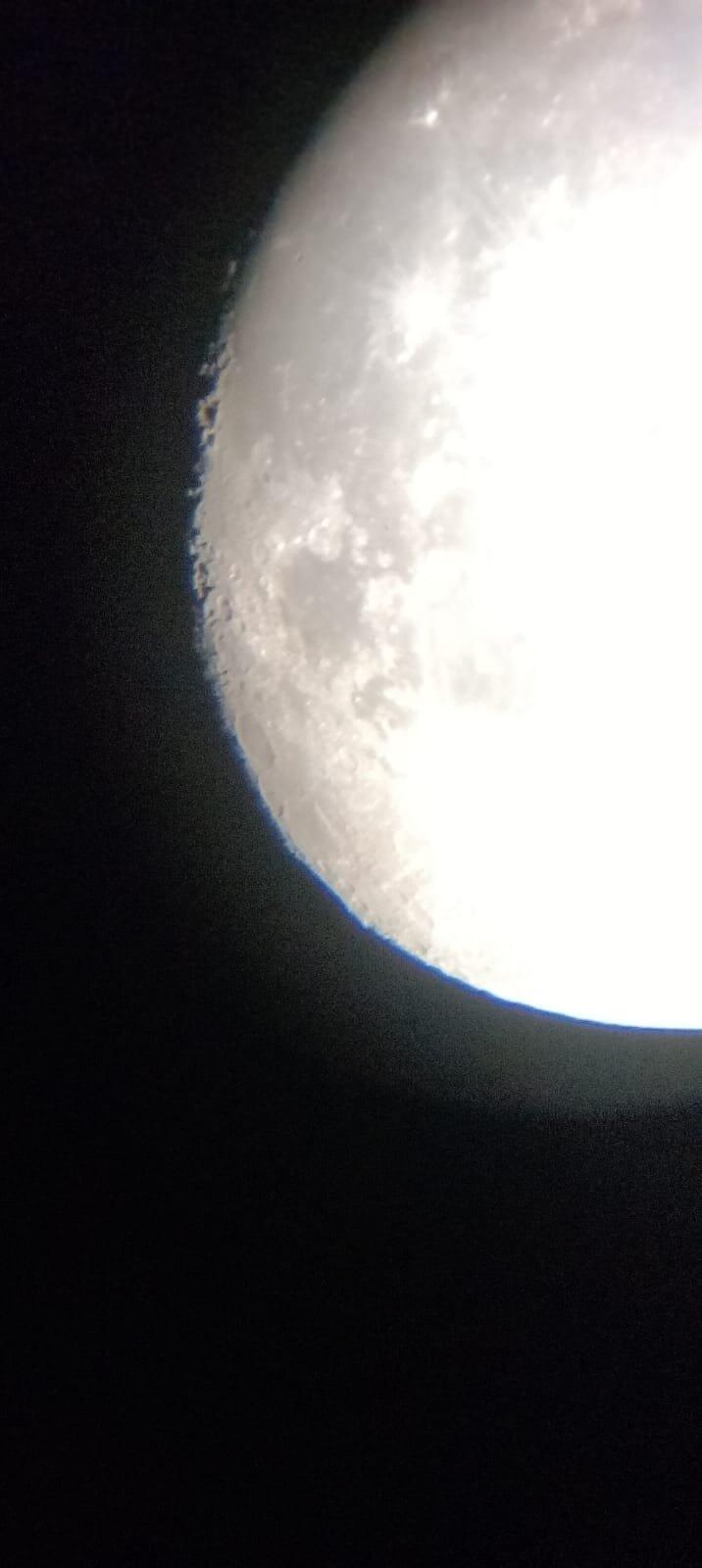
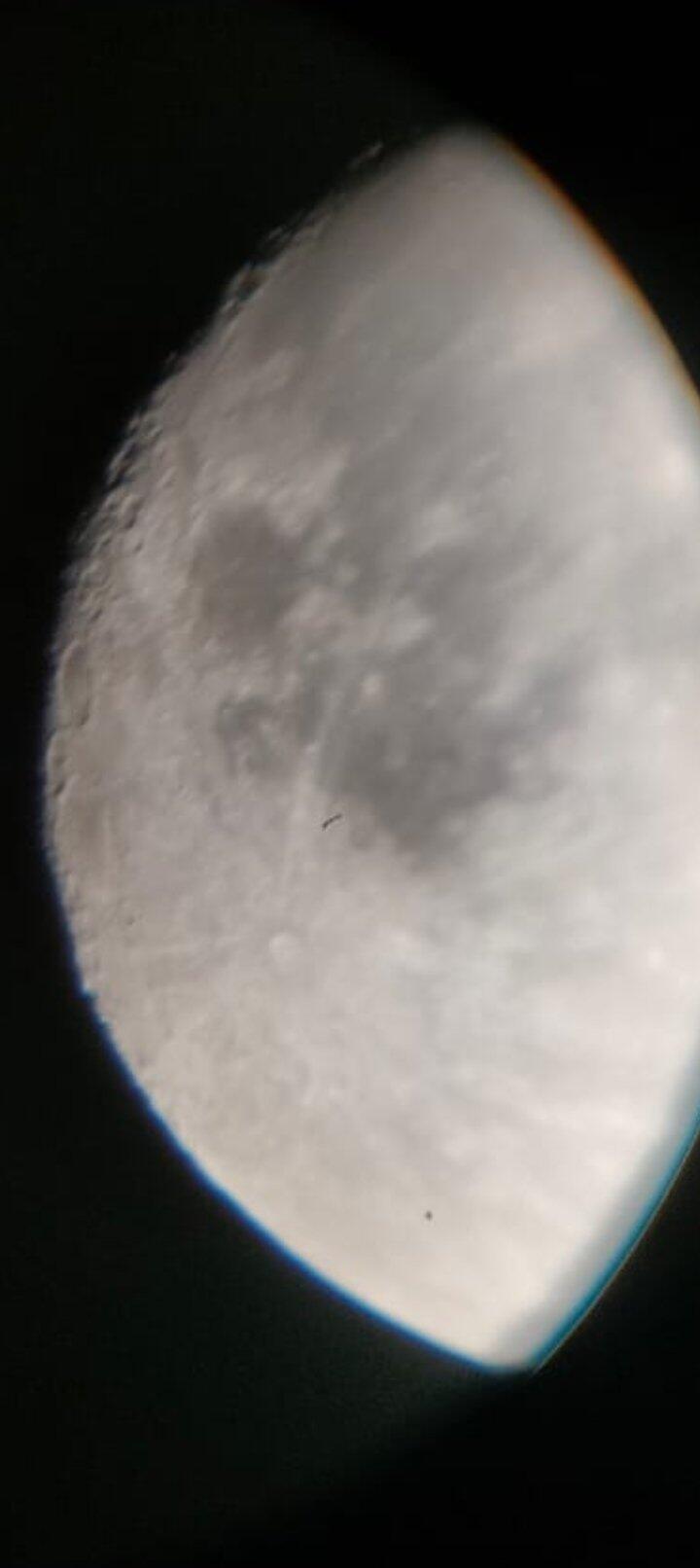
With the included phone adapter, you can easily capture stunning images of the night sky and share your astronomical discoveries with friends and family, making it a perfect tool for budding astrophotography. Capture the beauty of the cosmos with our telescopes for astrophotography on sale. Whether you’re a budding astrophotographer or an experienced one, our range of telescopes with high-resolution optics will take your celestial photography to new heights. Plus, our telescopes come with computerized star maps, making it easier than ever to navigate the night sky and locate your desired celestial objects.

Sky is Not the Limit

The Perfect Telescope for Stunning Celestial Views

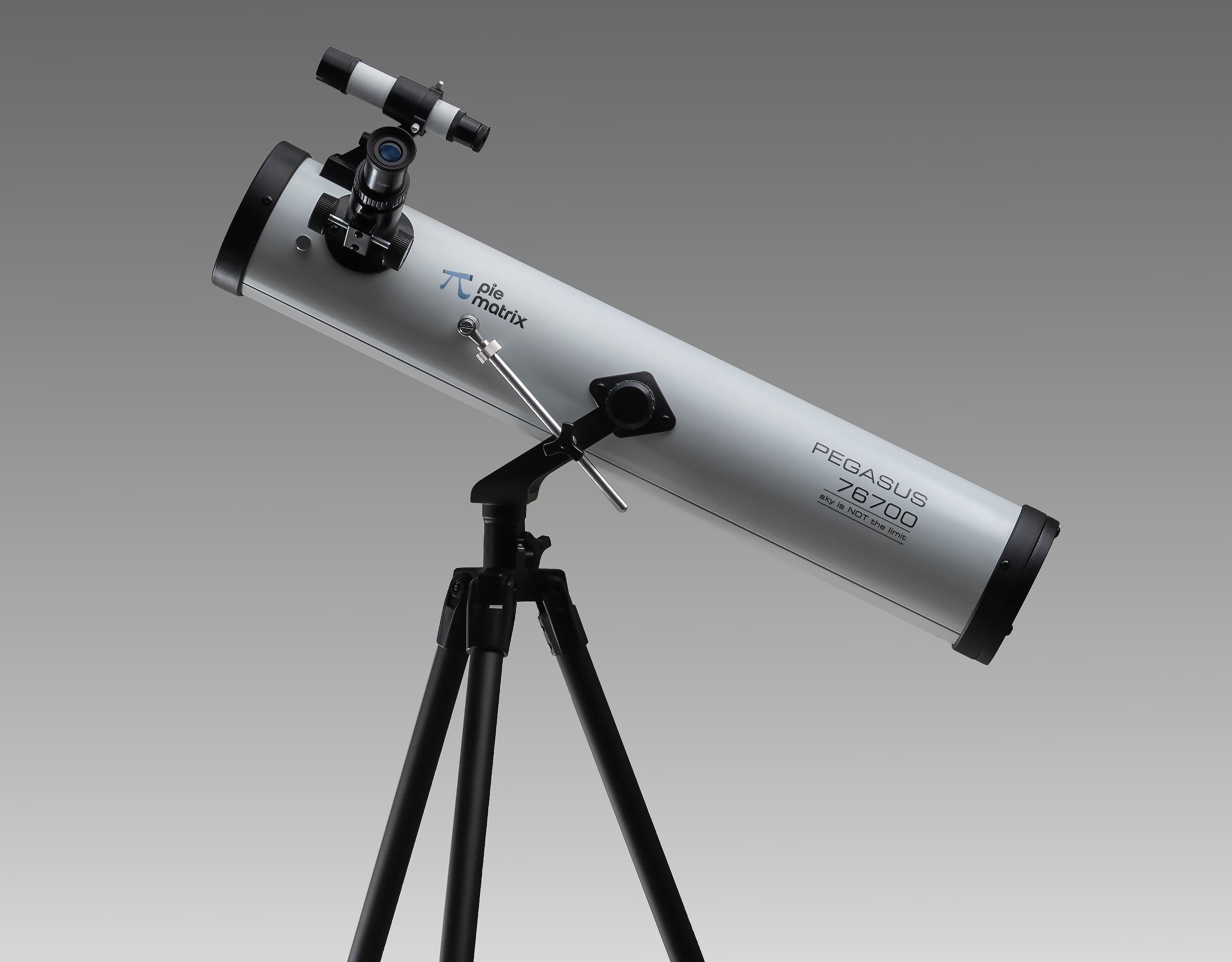
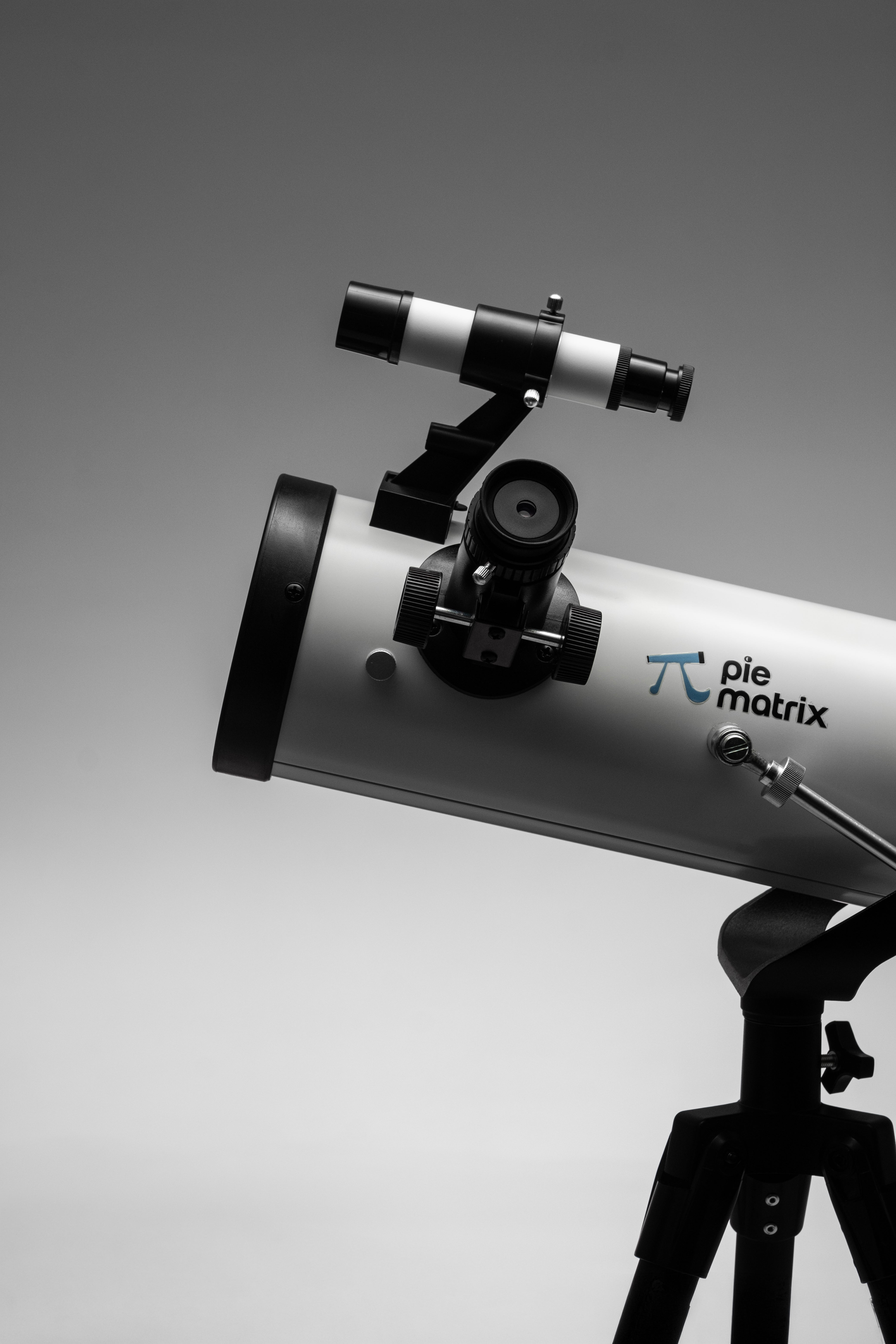
Discover the stars like never before with the Pie Matrix Pegasus 76700 Newtonian Reflector Telescope, the latest favorite among astronomy enthusiasts. This telescope boasts a highly reflective aluminum/SiO2 coated mirror, delivering crisp, clear images for an unparalleled stargazing experience. Paired with a durable, adjustable black aluminum tripod, the Pegasus 76700 ensures stability in all observing conditions. Its user-friendly Alt-Azimuth fork mount, complete with a locking mechanism, allows for smooth and precise adjustments, making it the perfect choice for both beginners and seasoned astronomers.

Tech Specifications

Specs
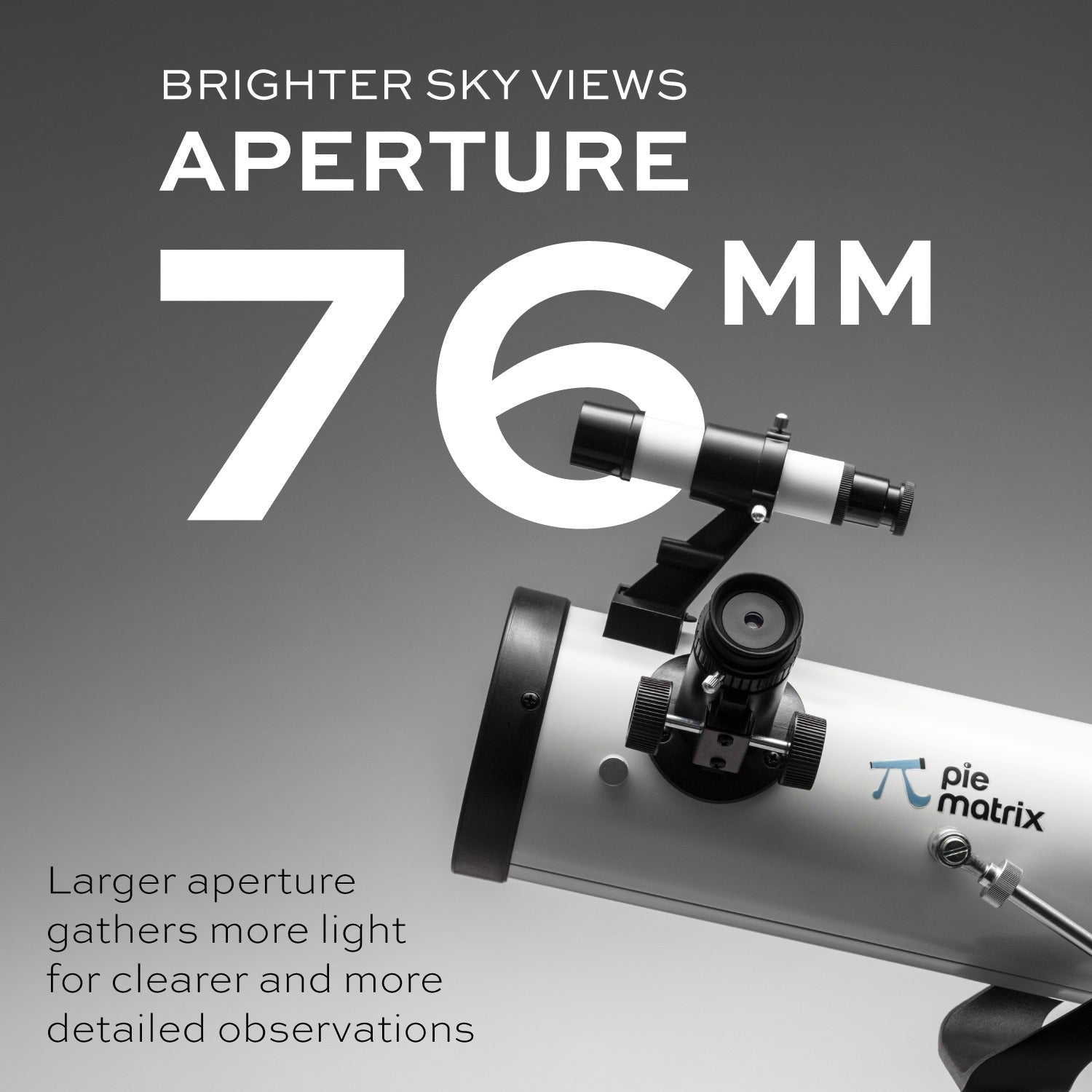
Aperature
76mm
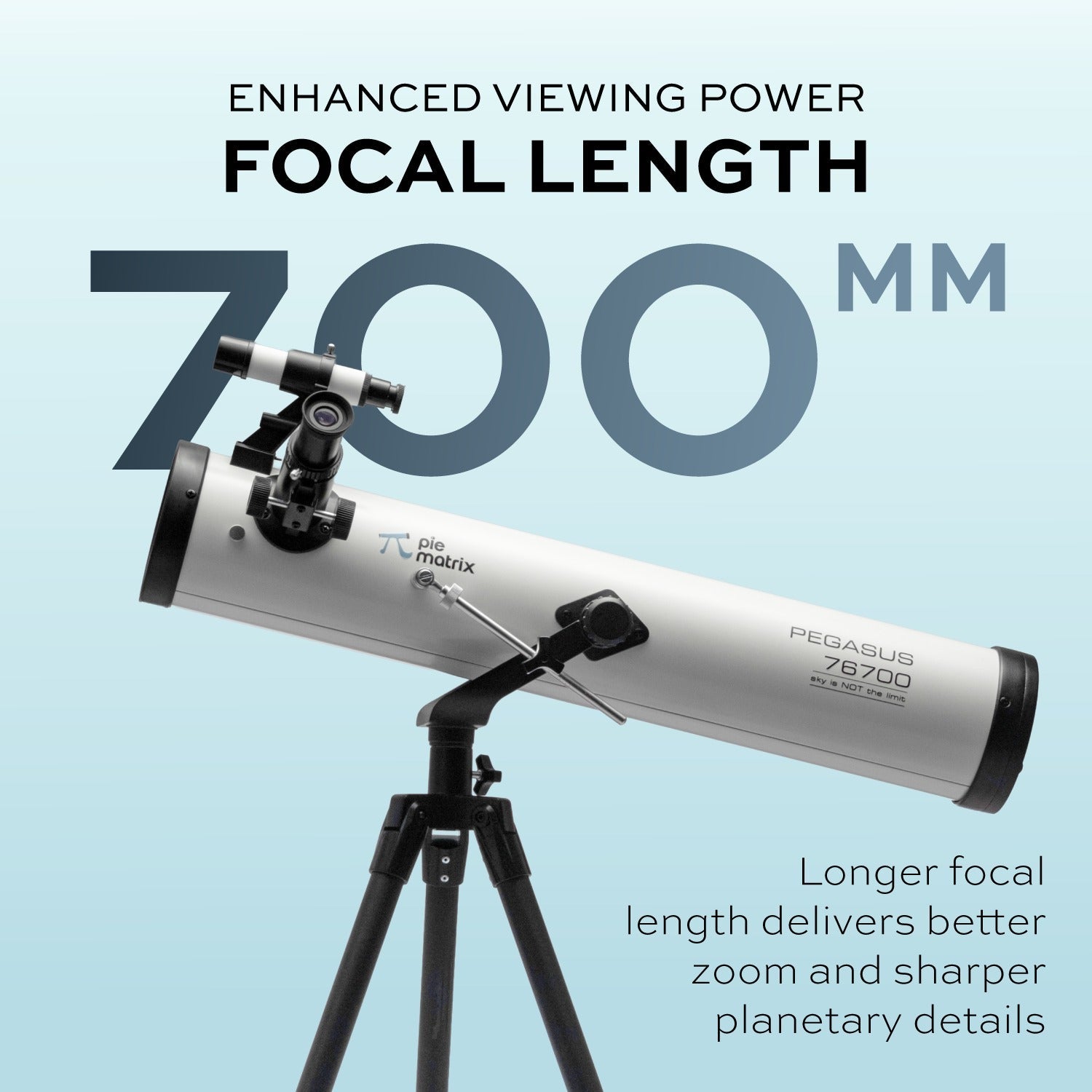
Focal length
700m
Tripod
Adjustable Aluminium
Tripod color
Electroplated Black
Magnification
84x to 210x: Barlow + 25mm = 84x | Barlow + 12mm = 175x | Barlow + 6mm = 210x
Focal ratio
f/9.2
Mount
Altazimuth(Alt+Az) Fork Mount with Locking Mechanism
Lens mirror type
Highly reflective aluminum/SiO2 coated mirror
Eyepieces
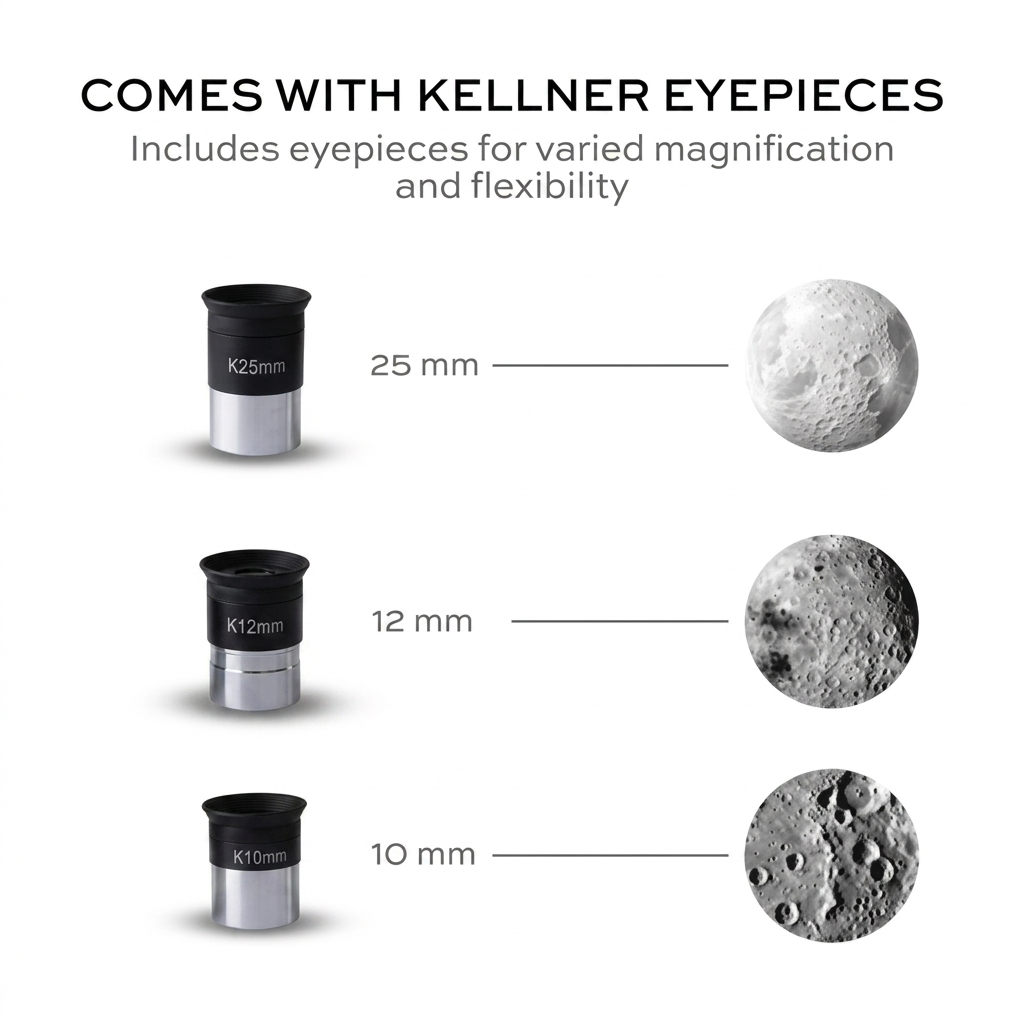
25mm, 12mm, 10mm
Finder scope
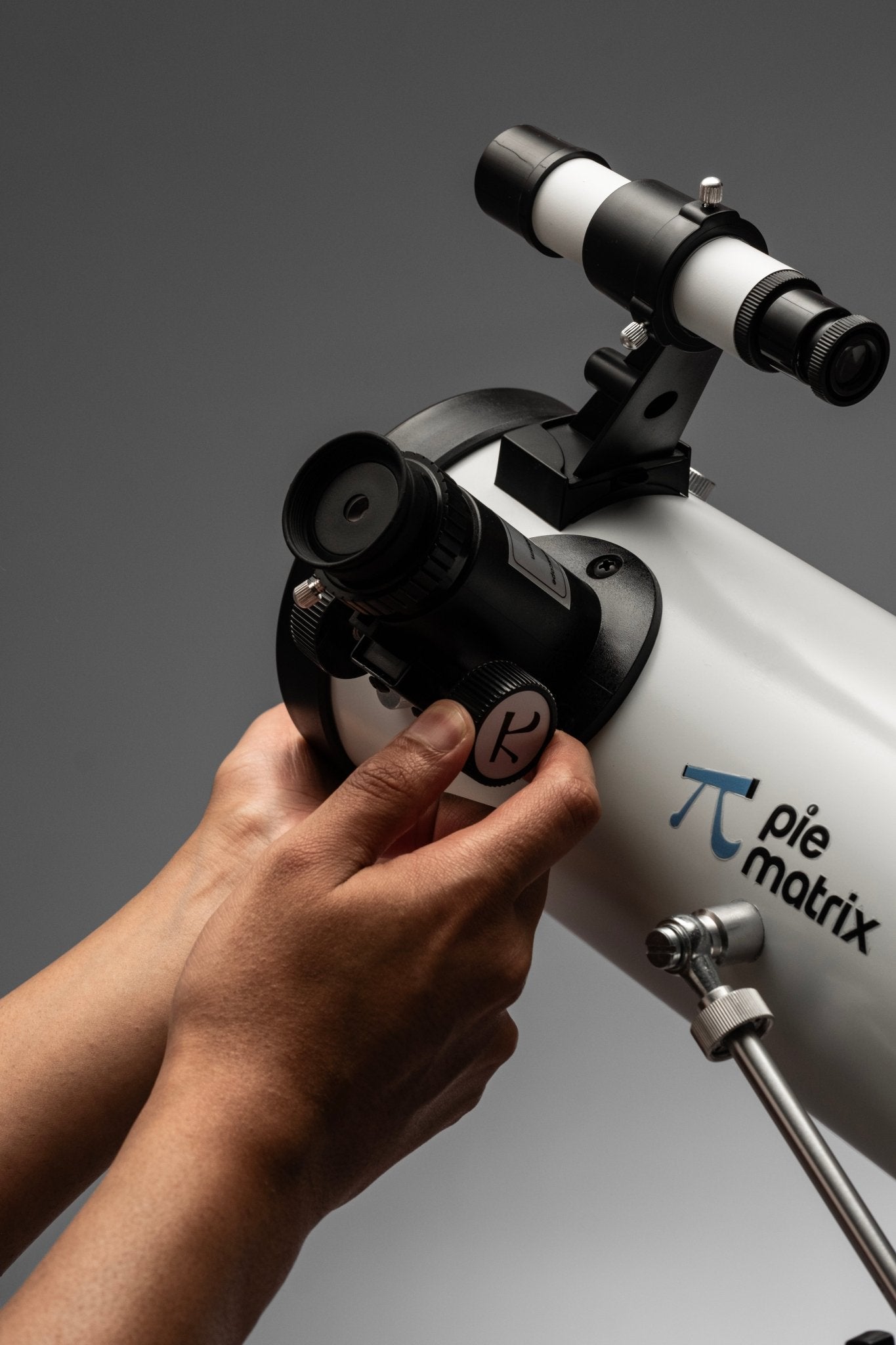
Optical Finderscope 5X24
Accessories
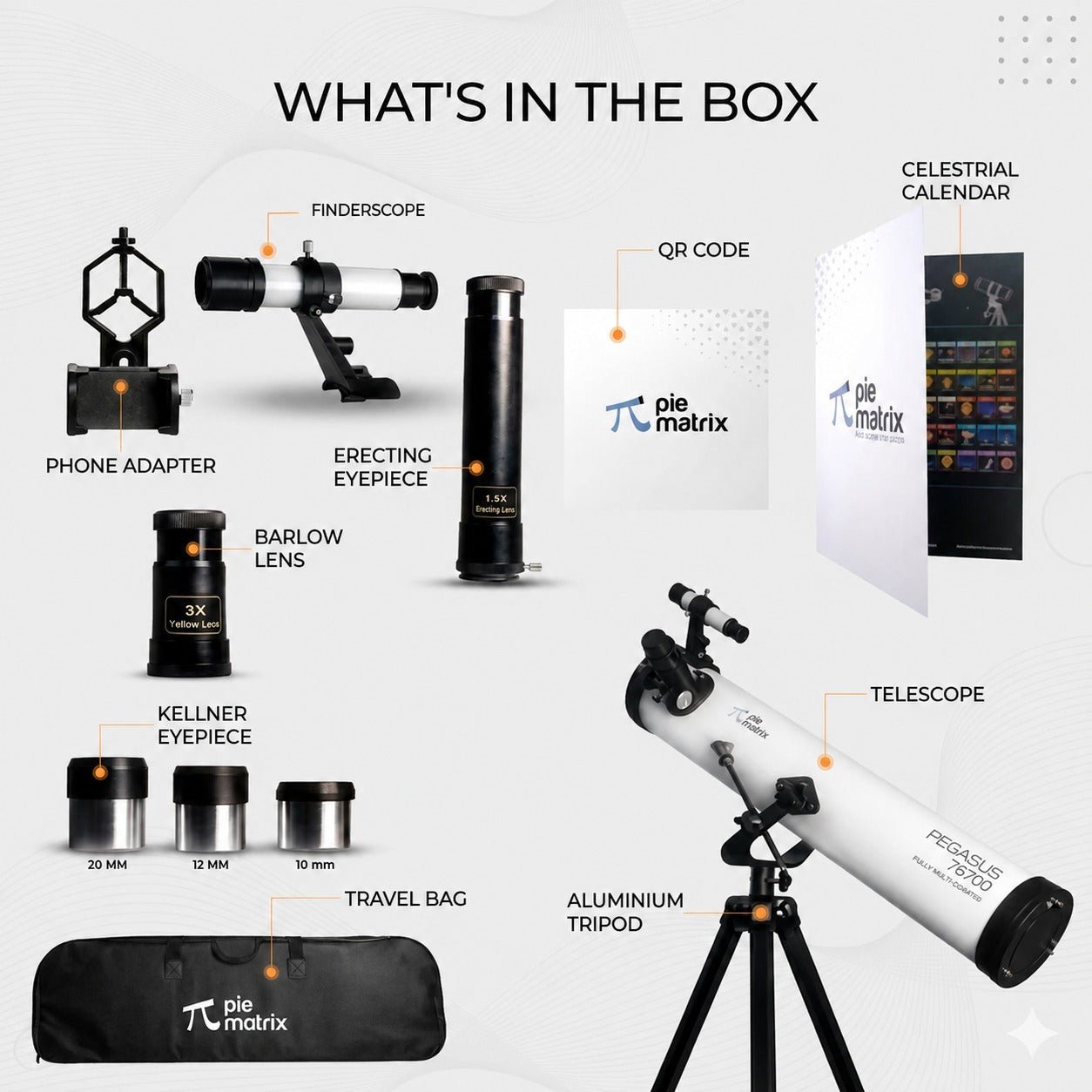
1.5X Erecting lens, 3X Barlow, Phone Adapter, Moon Filter & Travel Bag
Resolution
1.52 Arc Second
Tubematerial
Metal
Prism
NA
Color
White
Weight
4.2kg

Included in the Box

  • Tripod

    Tripod

  • Telescope Tube

    Telescope Tube

  • automotive

    Phone Adapter

  • Red Dot Finder

    Finder Scope

  • eyepie

    Eyepieces

  • Celestial Calendar

    Celestial Calendar

  • Bag

    Travel Bag

  • Warranty Card

    Instruction Manual and Warranty Card

FAQs

What accessories and eyepieces are included with the Pegasus 76700 Telescope?
The Pegasus 76700 includes 25mm, 12mm, and 10mm eyepieces, a 3x Barlow lens, a 1.5x erecting lens, phone adapter, 5x24 finder scope, Moon filter, travel bag, and the usual setup documentation.
How easy is it to assemble and set up the Pegasus 76700 Telescope?
The Pegasus 76700 uses a user-friendly Alt-Azimuth fork mount with a locking mechanism, and an aluminium tripod that adjusts easily, and it is designed for beginners for a straightforward setup and enjoy visual astronomy.
Is the Pegasus 76700 Telescope suitable for viewing the Moon and planets from a city?
Yes. The Pegasus can perform well for Moon and planetary observation even under city skies. Light pollution mainly affects faint deep-sky objects, so darker locations are preferred to observe at its best.
What does the 76mm aperture and 700mm focal length mean for viewing planets?
The 76mm aperture determines how much light the telescope collects, while the 700mm focal length influences its magnification and field of view. With an f/9.2 ratio, the Pegasus is well suited to sharp lunar and planetary views.
Can I use the Pegasus 76700 Telescope for astrophotography with a mobile phone?
Yes. A phone adapter built for basic shots of the Moon and planets comes with the Pegasus 76700 and allows the beginner to start experimenting with smartphone astrophotography.
What is the useful magnification of the Pegasus 76700 Reflector Telescope?
The Pegasus 76700 comes with a magnification ranging between 84x and 210x, using the supplied combinations. More magnification doesn't automatically mean a clearer view, though atmospheric conditions and the object being observed matter.
Is the Pegasus 76700 suitable for viewing galaxies, nebulae and star clusters?
Darker skies do help, though very faint galaxies and nebulae stay out of reach for this telescope. Brighter deep-sky objects are the better target. The Orion Nebula and various star clusters fall well within its capability, and both offer genuinely rewarding views on a clear night.
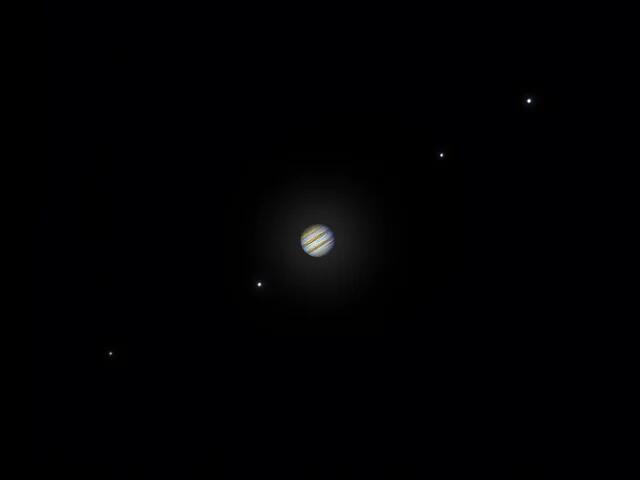
Can I see Saturn's rings and Jupiter's moons with the Pegasus 76700?
Yes, to observe Saturn's rings, Jupiter's moons and lunar craters on a clear night, the 76mm aperture works the best. Get your location and focus right and you will achieve the best views.
What can I see with the Pegasus 76700 Telescope?
The Moon and the planets can be an easy target. Star clusters show up well, and on a good night you can even observe the Orion Nebula. The 76mm aperture paired with the 700mm focal length is suited best for lunar and planetary observations.
Is the Pegasus 76700 Reflector Telescope good for beginners?
Yes and it scales up nicely too. The Pie Matrix Pegasus 76700 runs a 76mm aperture, 700mm focal length, and an Alt-Azimuth mount simple enough that a beginner won't need a manual open the whole time. The Moon, planets, star clusters and even brighter deep-sky objects can be observed.
What accessories are included with the Phoenix 60700 Refractor Telescope?
The Phoenix 60700 includes 20mm, 12.5mm, and 6mm eyepieces, a 3x Barlow lens, a 1.5x erecting lens, a 5x24 finder scope, a Moon filter, a smartphone adapter, a travel bag, a tripod, and the standard instruction and warranty documentation.
Is the Phoenix 60700 Telescope easy to assemble and set up for first-time users?
It is, definitely. Pie Matrix designed it for a quick setup, and most first-time users can have the telescope and its accessories assembled within a few minutes. The adjustable tripod adds some flexibility in how and where it's positioned.
Can the Phoenix 60700 be used as a spotting scope for daytime observation?
Yes. With its erecting lens and diagonal setup, it doubles as a spotting scope during the day and useful for distant landscapes and wildlife.
Is the Phoenix 60700 Refractor Telescope good for beginners?
Yes. The Pie Matrix Phoenix 60700 is built exactly for this, an entry-level refractor with a straightforward setup, suited to both night-sky and daytime observation. The 60mm aperture, simple Alt-Azimuth mount, and lightweight build make it a practical first telescope.
What can I see with the Phoenix 60700 Telescope?
The Moon and planets remain its strongest showing. Star clusters come through as well, and on clear nights, brighter deep-sky targets can be seen too, the Orion Nebula, the Andromeda Galaxy among them. With 60 mm aperture, Lunar and basic planetary observation performs the best.
Can the Phoenix 60700 Telescope be used to observe galaxies and nebulae?
You can observe galaxies and nebulae but fainter galaxies and nebulae require a larger aperture, and skies dark enough and away from city light. Brighter deep-sky objects, the Orion Nebula and the Andromeda Galaxy are within reach
What is the best magnification to use with the Phoenix 60700 Telescope?
The right choice depends on the object and how steady the sky is that night. A 700mm focal length, paired with 20mm, 12.5mm, and 6mm eyepieces plus a 3x Barlow lens, gives a workable range for lunar and planetary observation.
What does the 60mm aperture and 700mm focal length mean for telescope performance?
Aperture controls how much light the telescope takes in. Focal length shapes magnification and field of view. At an f/11.6 focal ratio, the Phoenix 60700 is built to produce sharp, well-defined views of the Moon and planets.
Can I take Moon and planet photos with a smartphone using the Phoenix 60700?
Yes. A smartphone adapter comes handy with the Phoenix 60700 telescope and lets beginners capture basic shots of the Moon and bright planets through the eyepiece. It's built more for simple lunar and planetary shots than for serious deep-sky astrophotography.

Blog posts

Choosing the Best Telescope for Beginners in India in 2026
Choosing the Best Telescope for Beginners in India in 2026

Choosing your first telescope feels exciting right up until you start comparing and get a list of specifications. Aperture, focal length, mounts, eyepieces, price tags all over the map and suddenly you’re not sure where to even begin when choosing...

Read more

Astronomical Events in January 2026 - Pie Matrix

Astronomical Events in January 2026

January usually feels like a dull hangover after the excitement of December. The holidays are over, motivation is low, and the nights feel endlessly long. However, what if we told you that the night sky in January is secretly throwing...

Read more

Astronomical events in December 2025 - Pie Matrix

Astronomical events in December 2025

Some months make us feel like the universe is quiet, whereas there are other months like December 2025, when the sky decides to celebrate. Especially if you love stargazing, or you are just extremely curious about what’s happening above you,...

Read more

Pegasus 76700 Reflector Telescope

Features:

  • The large aperture provides high magnification.
  • All-metal optical tube in the telescope
  • Metal U-shaped mount provides a sturdy, reliable foundation 
  • The best telescope for beginners interested in astrophotography and deep-sky observation.

Best Telescope For Beginners

The Pie Matrix Pegasus Telescope is a professional-grade telescope ideal for beginners and experienced stargazers alike. It’s a 76 mm aperture, 700 mm focal length telescope that boasts a resolution of 1.52 arc seconds—more than enough to see the rings of Saturn and the moons of Jupiter with your own eyes. One of the best telescope for beginners who wants to view planets and galaxies.

The Pegasus Telescope is made of metal and aluminium, which makes it durable and flexible enough to withstand heavy use over time. This telescope has an adjustable aluminium tripod, a white coating on the tube to protect it from scratches, and a minimum magnification of 35x.

Best Telescope For Viewing Planets And Galaxies

The Pegasus Telescope features an f/9.2 focal ratio, allowing you to capture images with excellent clarity and contrast, so your images are always crisp and clear which make this best telescope for viewing planets and galaxies.

Affordable Telescope

The Pegasus 76700 Reflector Telescope is a great model that gives you more value for your money. It’s an affordable telescope with cutting-edge technology and superb support for anyone trying their hand at sky gazing and terrestrial observation.

Good views of lunar craters, Jupiter’s Moon, and much more are possible through the 76 mm aperture and the breathtaking sights of our Moon’s rugged, chalky terrain. Playing with magnification can further offer delighting sights of the magnanimous world around.

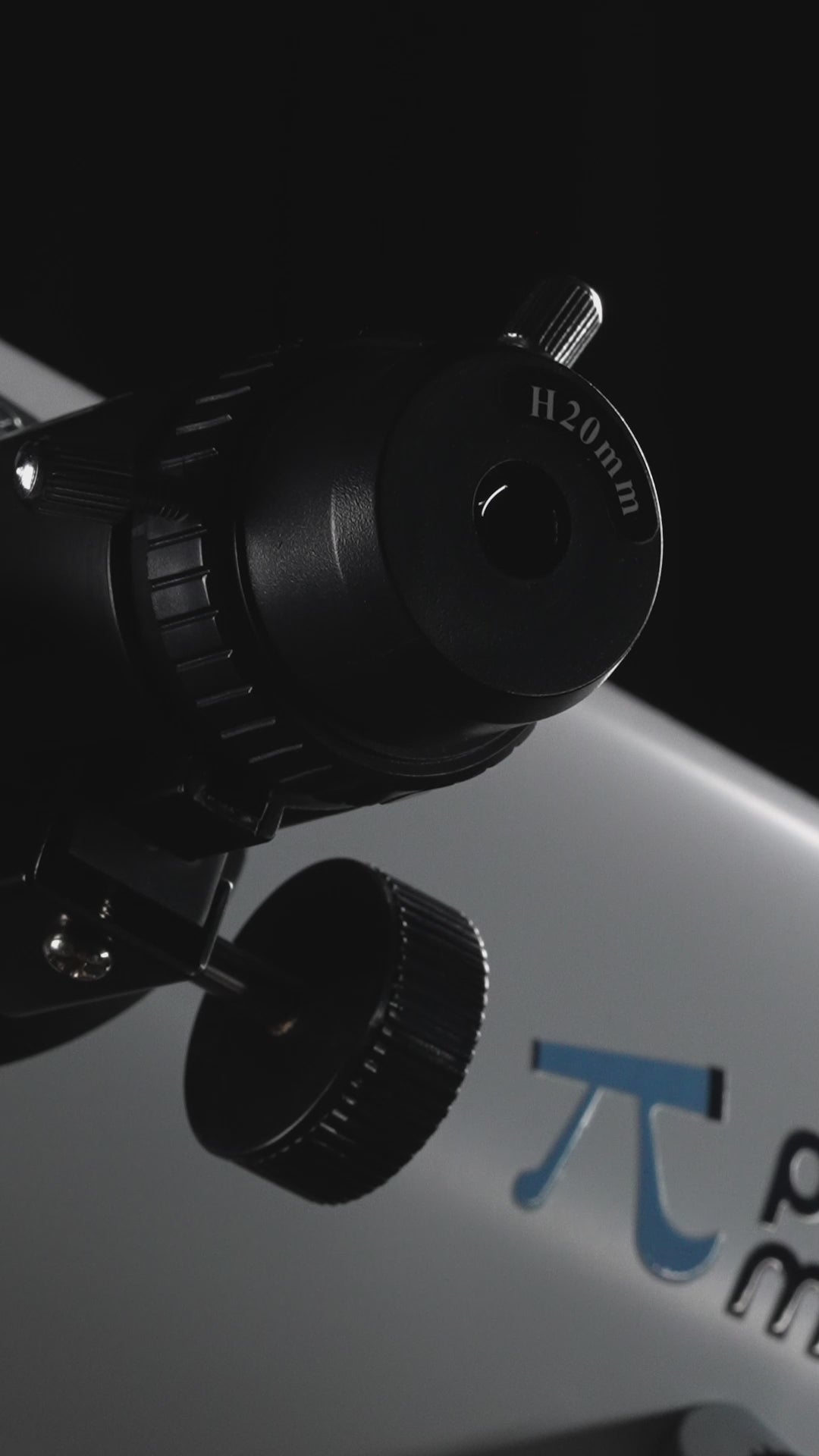
It has a maximum magnification of 105x to 348x magnification along with 20mm,12.5mm and 6mm eyepiece. The mount is Altazimuth (Alt-Az) Fork Mount with Locking Mechanism. The optics are highly reflective aluminium/SiO2-coated mirrors. The eyepieces are H20mm, F12.5mm, and H6mm. The weight is 4.2 kg. The finder scope is Optical Finderscope 5×24.

The Box Content includes a Scope, Full-Size Aluminium tripod, Green Moon Filter, 3x Barlow Lens, Eye Pieces, Accessory Tray, Erecting Lens 1.5x and Instruction Manual.

svg

Pre-order item

product preview

Select variant

Select purchase option

Your pre-order item has reached its limit.