
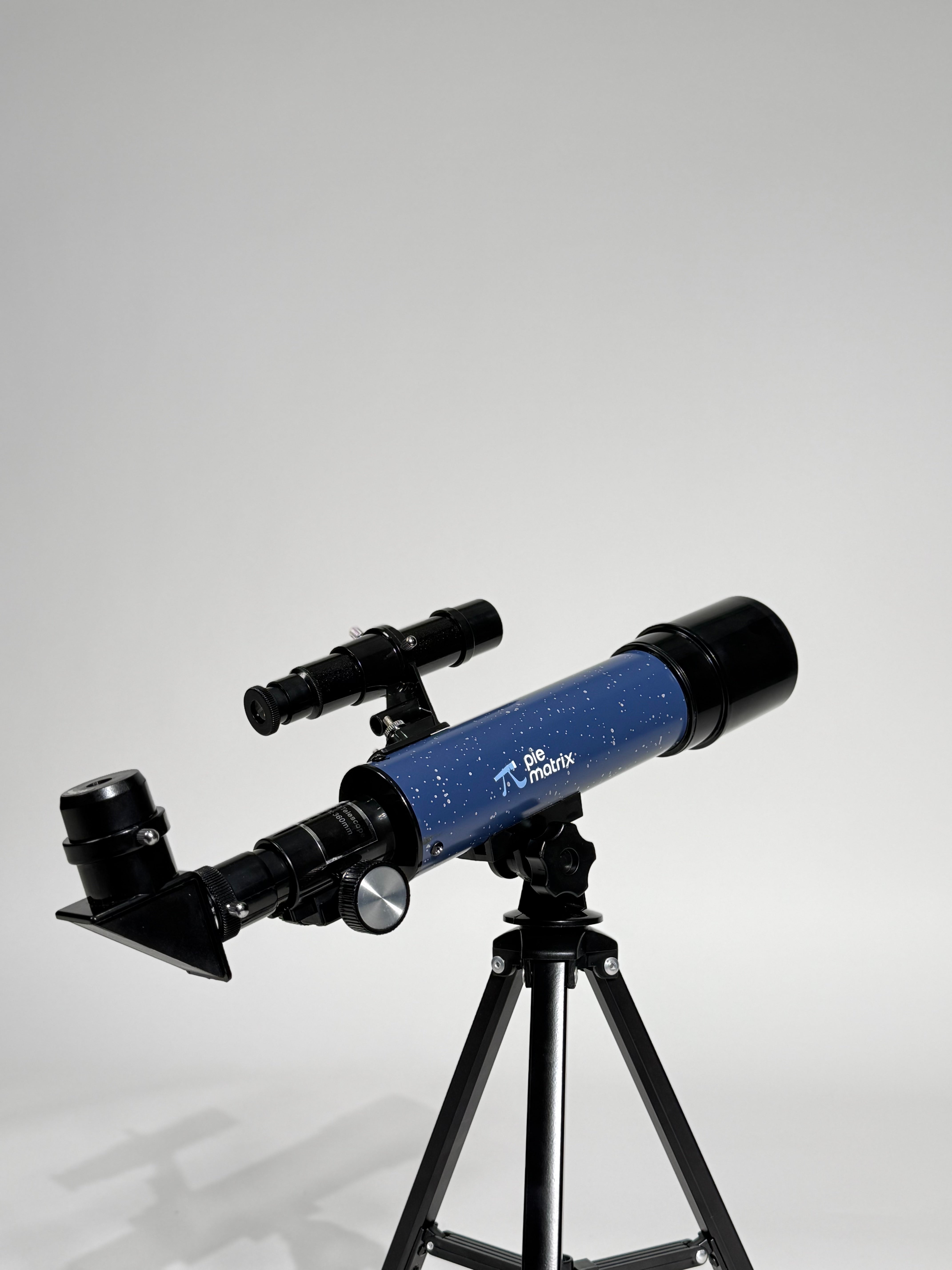
There is a point most people reach once they have spent a little time under the night sky, when the Moon no longer feels like the main event and even the planets start to feel familiar, and attention naturally drifts further towards faint smudges of light that promise something deeper.
Nebulae, star clusters, and distant galaxies begin to feel like the real reason for setting up a telescope in the first place, and it is usually at this stage that conversations shift towards what kind of instrument actually makes those sights accessible. For this kind of deep-sky observing, reflector telescope tend to stand out as the most satisfying option, offering a balance of light-gathering power, image clarity, and overall value that is hard to match.
Understanding What Deep-Sky Observation Really Demands
Deep-sky objects are faint, with galaxies spreading their light thin, nebulae glowing softly, and star clusters relying on contrast rather than magnification. Seeing them well depends less on Zoom and more on how much light a telescope gathers and how cleanly it presents that light.
Reflector telescopes excel here by using mirrors instead of large lenses, making bigger apertures practical without high cost or optical trade-offs. The result is brighter views and better visibility of details that would otherwise be lost. For those comparing options online, this balance of performance and cost often becomes the deciding factor.
Cleaner Images with Fewer Optical Compromises
One of the less obvious advantages of reflector telescopes is how they deal with colour profiles. Refractor telescope can be afflicted by a thing called chromatic aberration: colours tend to split slightly around bright objects. While this might be acceptable for casual viewing, it becomes distracting when one observes delicate deep-sky structures.
Reflector designs avoid this problem altogether. Since mirrors reflect all wavelengths of light equally, the images tend to be more natural and integrated. This means better contrast and less visual clutter when viewing star clusters or very faint galaxies. The Draco 90/800 Reflector Telescope and the Helix Reflector Telescope from The Pie Matrix benefit from this design approach, ensuring views stay clear and consistent across different types of targets.
Conclusion
Deep-sky observation rewards patience, curiosity, and the right optical design. Many first-time buyers who later decide to buy a reflector telescope online come to that realisation after a few quiet nights under darker skies, when the difference becomes clear through experience rather than specification.
Whether it is the balanced capability of the Pegasus, the approachable performance of the Draco, or the deeper reach of the Helix, these designs open the door to objects that lie far beyond the familiar glow of the Moon and planets. For thoughtfully designed reflector telescopes that support meaningful exploration of the night sky, explore the offerings from The Pie Matrix — or contact us to find the telescope best suited to your observing goals.
Share:
Why Refractor Telescopes Offer Sharper Planetary Views?
Refractor Telescope vs. Other Small Telescopes: Which One Should You Choose?